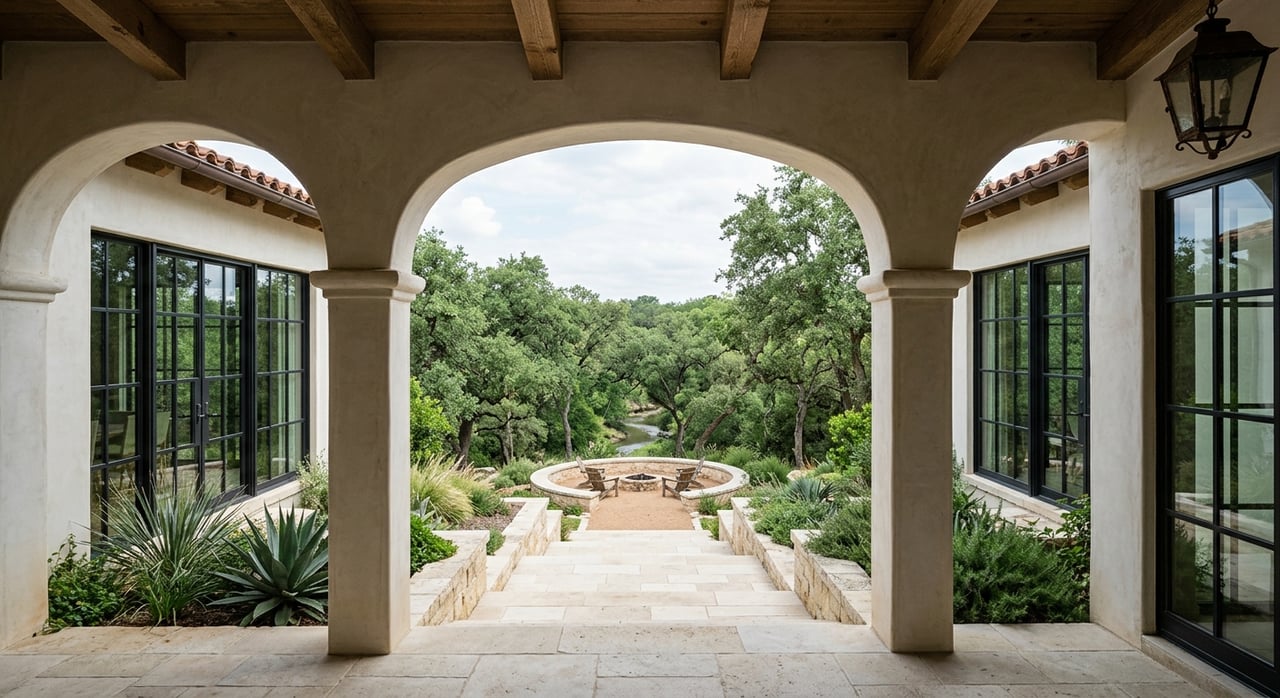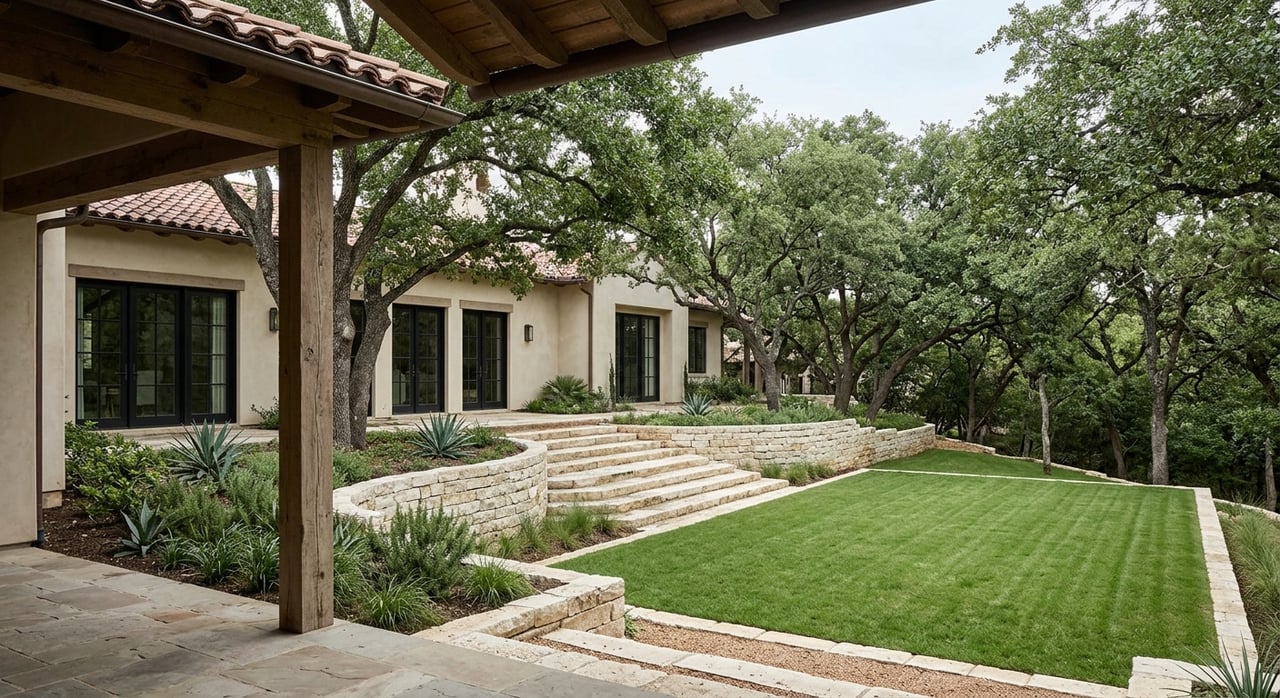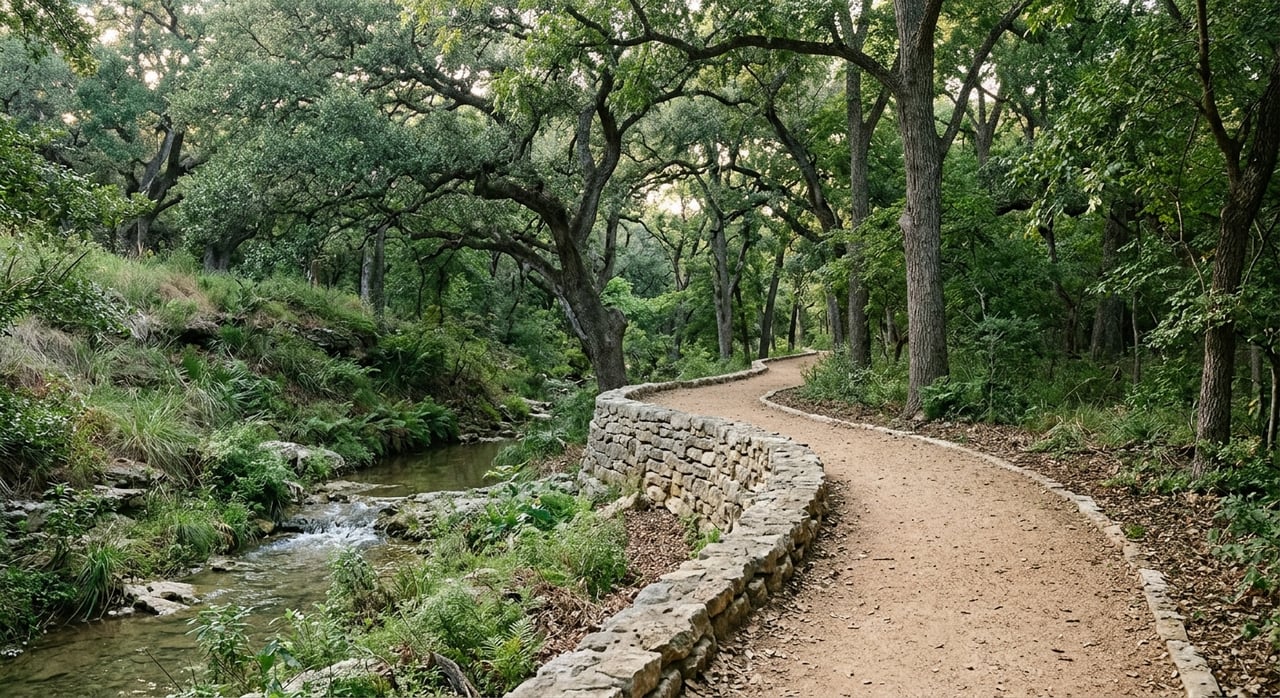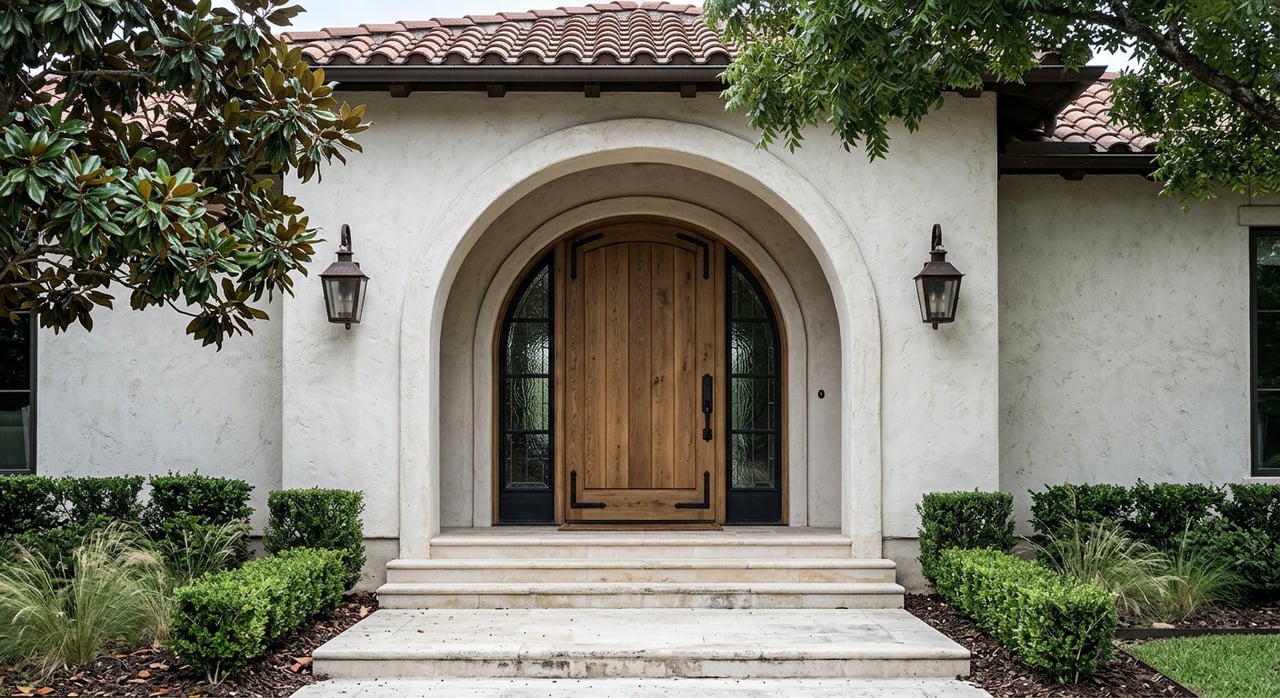
Building a custom home in Montrachet can feel exciting and overwhelming at the same time. If you are trying to line up a lot, a builder, approvals, and a move date, the timeline matters just as much as the design itself. The good news is that with the right expectations and lot-specific planning, you can avoid many of the delays that surprise buyers in this community. Let’s walk through what your custom build timeline inside Montrachet may really look like.
Why the lot comes first
In Montrachet, the lot is not just where your home will sit. It directly shapes your timeline, your design options, and the type of pre-construction work you may need to complete.
According to the official community information, Montrachet spans 254 acres with 169 lots across The Terrace, The Grove, and The Park, with more than 50 acres of green space and a design-review process intended to preserve the natural setting. That means your architect, builder, and lender should treat lot selection as the first major phase of the build, not a simple first step.
Start with lot-specific due diligence
Before you finalize plans, you should review the community’s technical documents for your lot. Montrachet’s downloads include the plat, updated plat information, topography, drainage and grading details, sanitary sewer map and tap locations, water-pressure and water-well requirements, soil reports, and a groundwater study.
Those materials matter because some lots have added utility or site constraints. For example, the recorded water notice for certain lots states that some properties in Blocks 3, 5, and 6 with finished floors above 824 feet may require a water well and may not receive public water service.
Montrachet’s design guidelines also identify slope easements and native landscape setbacks that may limit where grading or disturbance can occur. If you skip this stage or move through it too quickly, you may end up redesigning your home later, which can add weeks or even months.
Understand Montrachet’s approval process
One reason custom timelines in Montrachet can run longer than buyers expect is the review structure. This is not a simple one-signature HOA process.
The community uses a Town Architect and ACC review system, outlined in the Montrachet Design Guidelines. The Town Architect reviews builder designs and layouts, attends design-review meetings, may visit the site during construction, and signs off on workmanship before occupancy.
The guidelines state that the Town Architect generally responds to submittals within 5 days, and no more than 10 days, after receipt. That is helpful, but quick review times do not always mean a short timeline if revisions are needed.
Design review happens in stages
Montrachet’s design review application explains that the first submittal usually happens around the 20 percent construction-document stage. The second comes when the design is essentially 100 percent complete.
The final package must be submitted digitally through Basecamp as one multi-page PDF. It also requires a mockup of exterior materials before construction begins, which is another reason buyers should expect design review to be an active phase rather than a quick box to check.
Your builder must be approved too
Your builder selection can affect your timeline immediately. Montrachet requires a separate builder application, and submissions are due by the first Wednesday of the month.
The builder must have been established for at least five years, show at least ten completed projects, and provide five references. If approved, the builder is conditionally approved to build one house. If you are relocating or trying to move quickly, that monthly submission cycle can be one of the earliest scheduling hurdles.
A realistic custom build timeline
Every home and homesite is different, but a realistic Montrachet build usually moves through five major phases.
1. Due diligence and team assembly
Estimated timeline: 2 to 6 weeks, sometimes longer
This phase includes reviewing lot documents, evaluating grading and drainage issues, confirming utility considerations, and selecting your architect and builder. If your builder still needs approval, the monthly submission schedule may extend this step.
For many buyers, this is the stage that sets the tone for the entire project. A well-organized start usually saves time later.
2. Schematic design and preliminary review
Estimated timeline: 2 to 6 weeks, plus revision time
At this point, your architect develops the early design and prepares the preliminary submittal for Montrachet. Because the first review happens at about the 20 percent stage, this is where lot constraints often surface in a practical way.
If the first concept aligns well with the lot and the design guidelines, the process may move quickly. If not, one or two rounds of revisions are common before the final package is ready.
3. Final design package and permits
Estimated timeline: 3 to 8 weeks on a smooth path
Once the design is substantially complete, you move into final Montrachet review, exterior material mockups, and city permit preparation. The application requires detailed site and building information, including topography, drainage, tree retention and removal notes, floor plans, roof plans, elevations, and more.
The same application also states that no grading may begin before approval, and starting early can trigger a $2,500 fine. Retaining walls over 36 inches must be engineered, which can add another layer of coordination depending on the site.
On the city side, the City of Fort Worth residential permit information notes that permits must be filed by a registered building contractor unless the owner qualifies for a homestead permit. Fort Worth says standard residential plan review aims to return a full set of comments in about 7 business days.
If you need to compress the schedule, the city’s X Team expedited review program offers a 5-business-day review and a meeting about one week after acceptance for an added fee. It can help, but it does not replace required plats, approvals, or complete documentation.
4. Vertical construction
Estimated timeline: about 12 months or more
This phase is the least predictable because it depends on the home’s size, complexity, materials, weather, and builder capacity. A broad custom-home benchmark cited by Builder Online places custom construction around 12 to 24 months, with owner-built custom homes averaging about 12.8 months from permit to completion in one NAHB-based analysis.
In Montrachet, the natural terrain, tree preservation requirements, landscape controls, and material approvals can push timelines toward the longer end. Buyers planning around school calendars, lease endings, or executive relocations should keep that flexibility in mind.
5. Landscaping, inspections, and closeout
Estimated timeline: final 30 to 90 days
The finish line includes inspections, final site work, landscaping, and closeout items. Montrachet’s design guidelines state that each residence must be fully landscaped within 90 days after the main structure reaches 95 percent completion, and front-yard landscaping must be installed before the builder transfers the property to the homeowner.
Fort Worth also requires separate trade permits and inspections. The city notes that inspections can be scheduled the same day the permit is obtained once the permit is active, which helps this final stage move more efficiently when the builder is organized.
What commonly slows the process
Even in a well-run project, a few issues tend to create the biggest delays in Montrachet.
Missing or incomplete documents
Both Montrachet and the City of Fort Worth rely on complete plan sets and clear site information. If the submission is missing details, the review may stall while your team updates the package.
Lot-specific utility questions
Water service, grading, drainage, sewer connections, or retaining-wall engineering can all slow the process if they are not addressed early. This is especially true on lots with elevation-related water requirements or other technical constraints.
Revisions after early review
The preliminary review phase is meant to catch issues before final construction documents are complete. That is helpful, but major exterior or site changes after early feedback can ripple through the schedule.
Exterior changes later on
According to the design guidelines, exterior and site improvements remain subject to review even after construction. If you decide to change visible exterior materials, hardscape elements, or site features later, you may need to resubmit those items.
How to stay on schedule
You cannot control every variable in a custom build, but you can improve your odds of a smoother experience.
Bring the builder in early
Because builder approval is a separate process with a monthly submission deadline, it helps to identify your builder as early as possible. Waiting too long here can delay the entire design and permit sequence.
Make key exterior decisions upfront
Exterior style, roof form, driveway layout, grading approach, and landscape direction all affect review. Since Montrachet has clear design rules for items like roof pitch, roofing materials, driveways, fences, pools, and landscaping, early alignment matters.
Keep one coordinated plan set
Your architect, builder, and consultants should work from one clear, consistent set of plans. That reduces the chances of conflicting documents during Montrachet review and city permitting.
Build extra time into your move plan
If you are relocating, avoid planning your move around the best-case scenario. A more comfortable strategy is to treat the project as three linked tracks: Montrachet approval, City of Fort Worth approval, and builder execution.
Why guidance matters in Montrachet
In a community like Montrachet, the right advice is about more than finding a lot. You need to understand how the lot, design-review process, builder approval, and city permitting all connect before construction ever begins.
That is especially important if you are balancing privacy, timing, and a high-touch move into west Fort Worth. A thoughtful, lot-first strategy can help you make cleaner decisions and avoid expensive missteps.
If you are exploring lot options or planning a custom build inside Montrachet, Raleigh Green can help you think through the process with local perspective, discretion, and a tailored approach from the start.
FAQs
How long does a custom build timeline in Montrachet usually take?
- A realistic timeline often includes 2 to 6 weeks for due diligence and team assembly, 2 to 6 weeks for schematic design and preliminary review, 3 to 8 weeks for final design and permits, about 12 months or more for construction, and 30 to 90 days for landscaping and closeout.
Why does lot selection matter for a custom home in Montrachet?
- Lot selection affects grading, drainage, utility planning, water strategy, setbacks, and design limitations, which can all change your plans and your timeline.
When should a buyer involve a builder in a Montrachet custom build?
- As early as possible, because the builder must be approved separately and applications are due by the first Wednesday of the month.
Can construction begin before Montrachet design approval is complete?
- No. The design review application states that no grading may begin before approval, and starting construction early can result in a $2,500 fine.
What usually causes delays in a Montrachet build schedule?
- Common delays include missing documents, unresolved drainage or water issues, revisions after preliminary review, builder-approval timing, and incomplete or inconsistent plan sets.
Can exterior changes be made after a home is built in Montrachet?
- Yes, but exterior changes and site improvements may still require review and approval under Montrachet’s design guidelines.