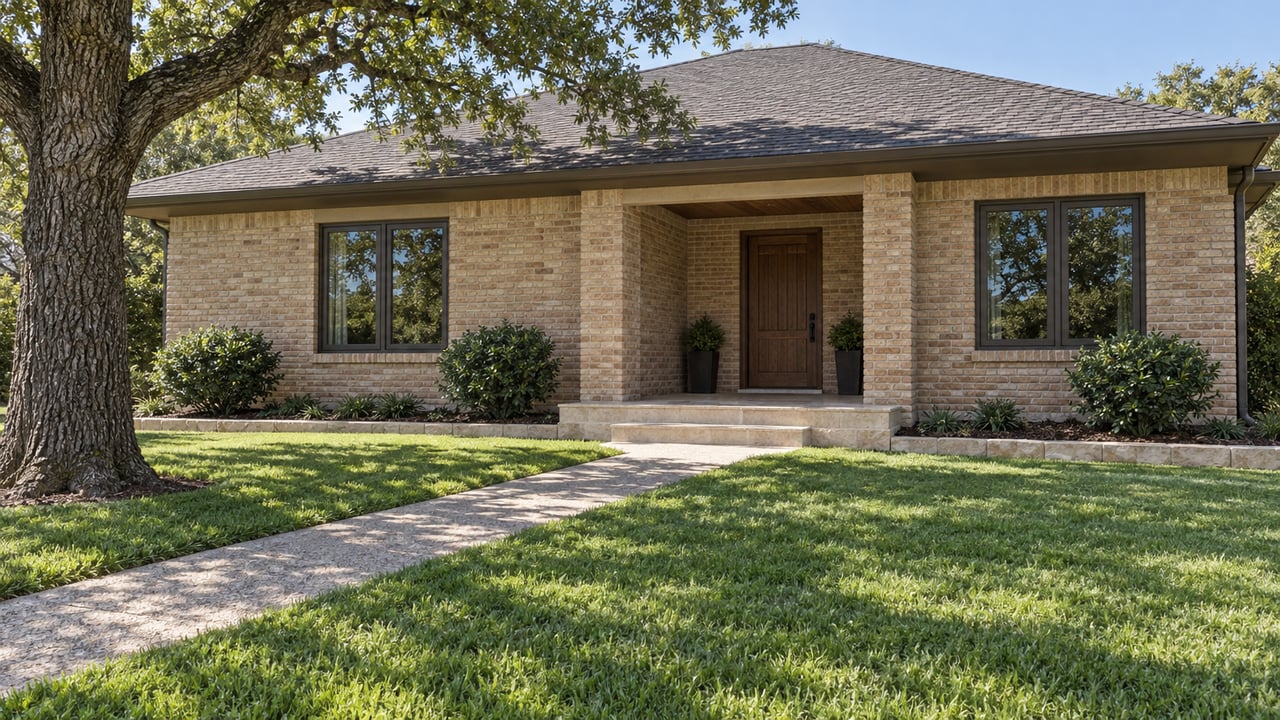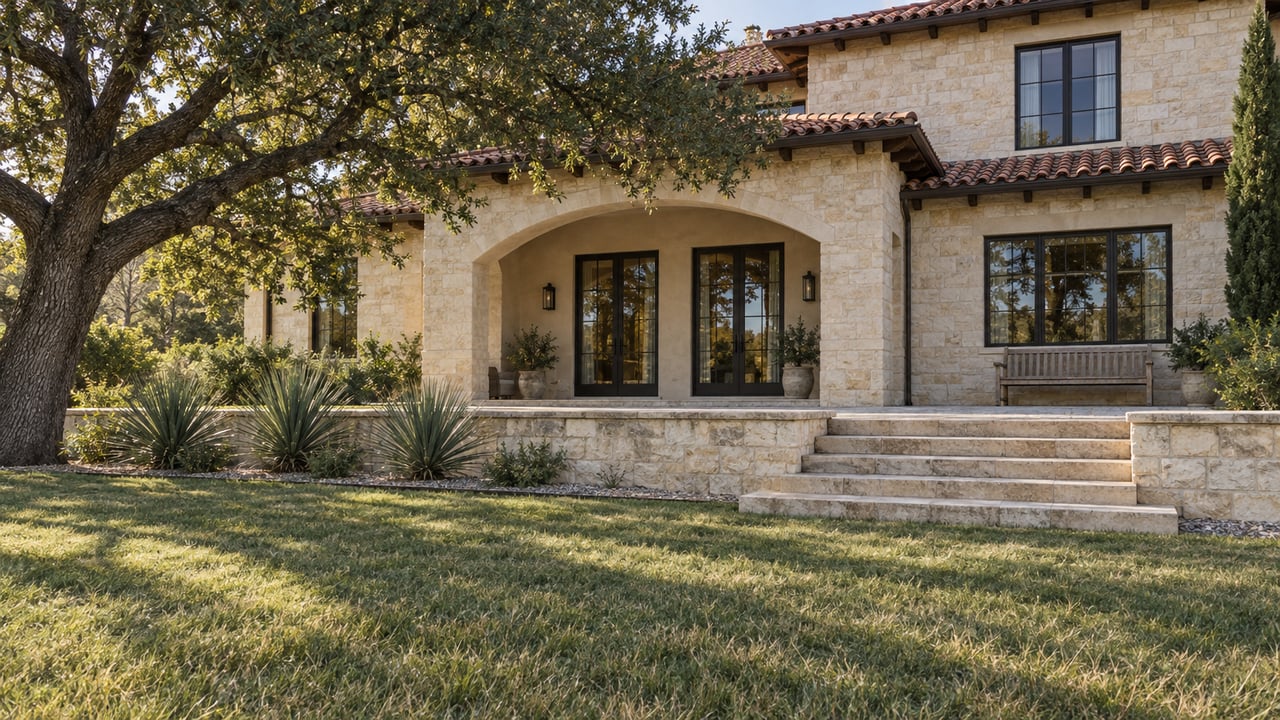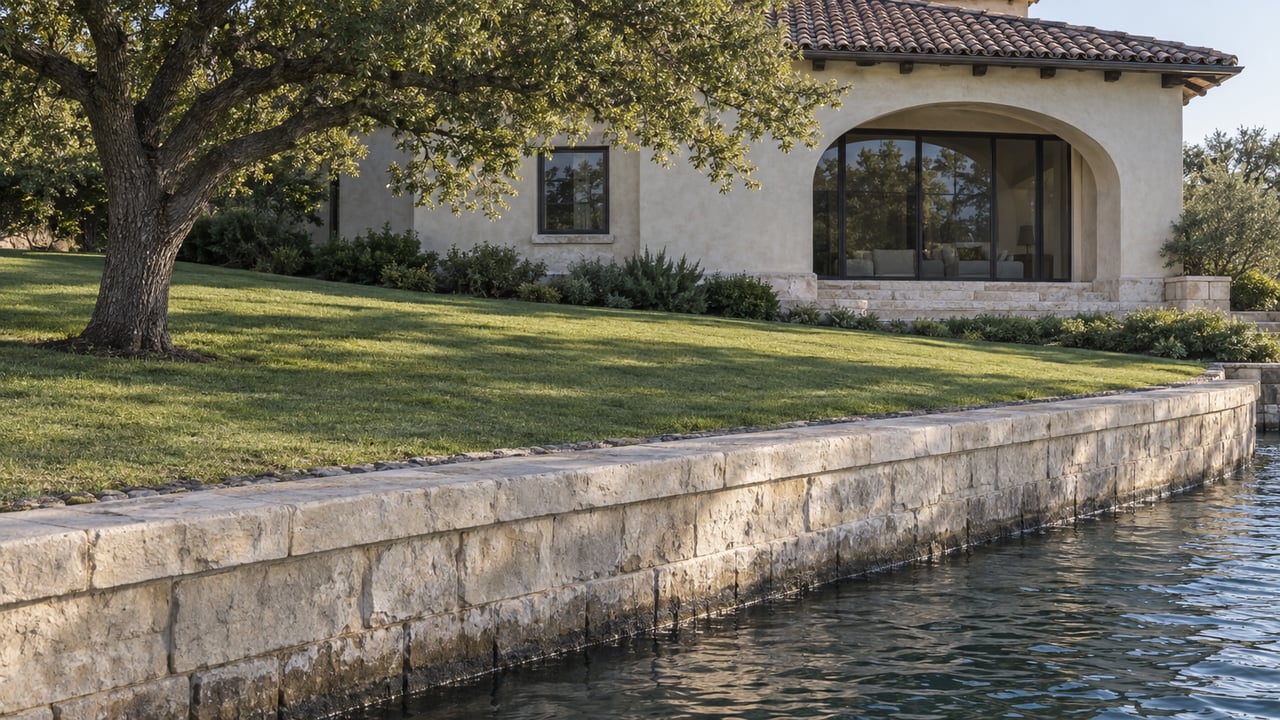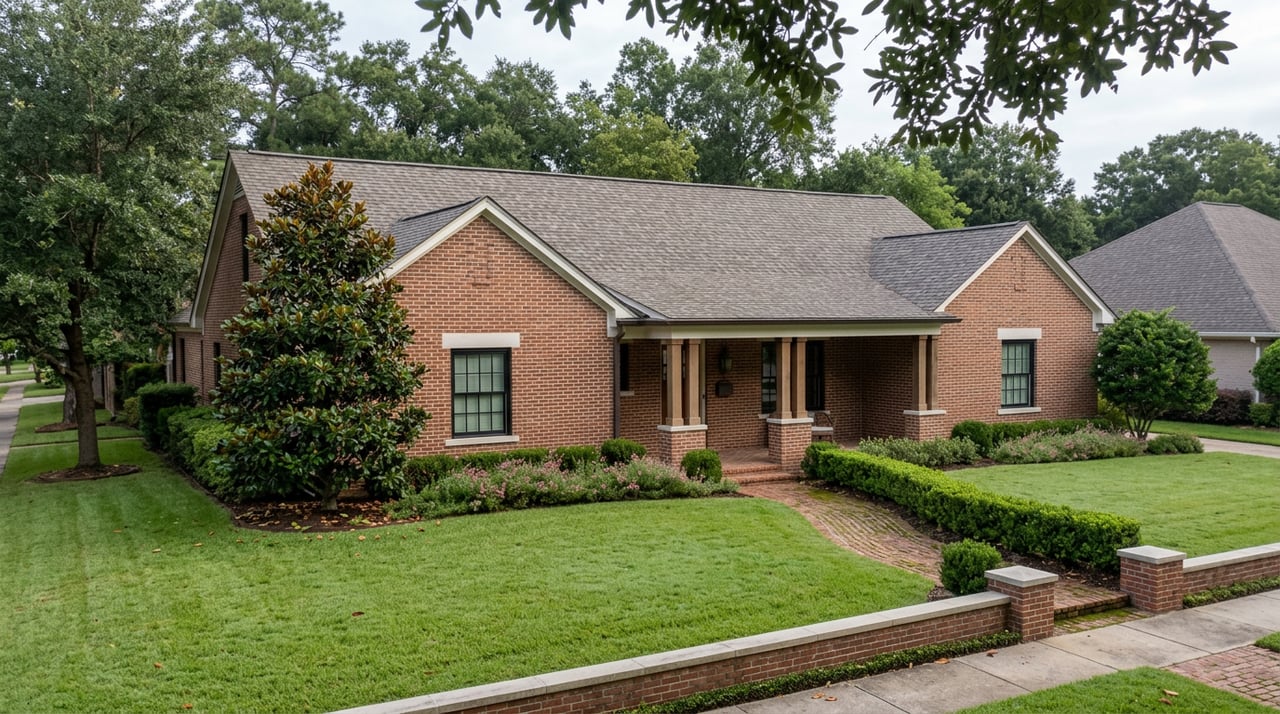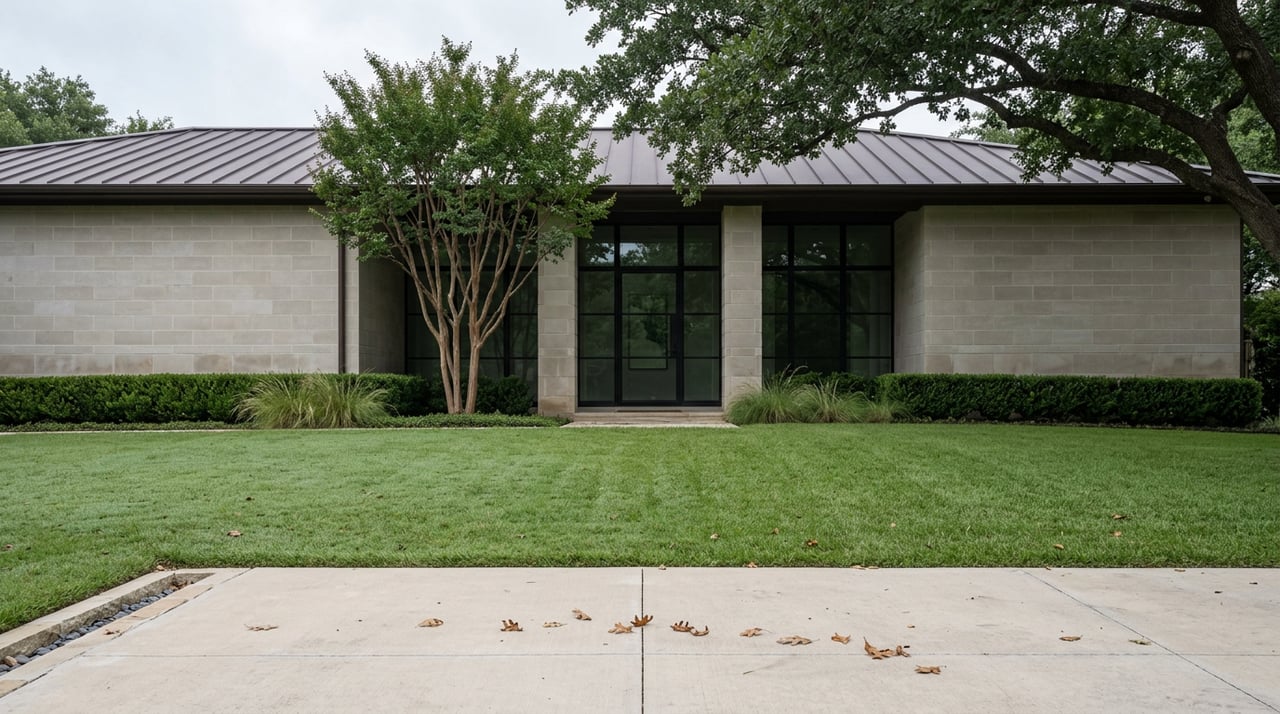
The last week of May, Riverhills does what it always does on a Saturday morning. Dogs pull their owners along the greenbelt above the Clear Fork. Kids ride bikes down cul-de-sacs shaded by live oak. Somewhere across the river, television trucks are parking at a golf course that has hosted the same PGA Tour event since 1946, and none of it touches the neighborhood's own streets.
That gap between what's happening a short drive away and what a Riverhills resident actually experiences is the real story of Colonial Week. Most coverage treats the Charles Schwab Challenge as a citywide event that ripples out from Colonial Country Club in every direction. For Riverhills, that isn't quite true. The tournament's footprint is real and well documented, but it stops closer to the club than people assume, and the parts that do reach across the river aren't the parts anyone expects.
One River, Two Different Weeks
Colonial Country Club sits along Colonial Parkway near TCU. Riverhills sits along a different bend of the same Clear Fork of the Trinity, inside the footprint of the historic Edwards Ranch, closer to Bryant Irvin Road and the Shops at Clear Fork than to the golf course itself. Local coverage of the neighborhood has long pointed to that positioning as its main appeal: close enough to reach TCU, Clearfork, and Colonial in minutes, far enough to keep its own rhythm.
That distinction matters more during the last week of May than any other week of the year. Colonial Week concentrates almost entirely around the club and the streets that feed directly into it. Riverhills is adjacent to that story rather than inside it, which turns out to be the more useful way to think about the neighborhood's relationship to the tournament.
What Colonial Week Actually Requires
The operational reality of hosting a PGA Tour event is bigger than most residents picture. The 2026 tournament's traffic control plan alone included roughly 700 cones, six digital message boards, multiple road closures, dedicated parking control zones, and staged response vehicles positioned around Fort Worth. That's the infrastructure required to move thousands of fans and dozens of tour players through a residential golf course safely for four competitive rounds.
Here's the part that doesn't make it into most tournament previews: that infrastructure is built to contain itself.
- Near the club: closures, cones, and message boards concentrated on Colonial Parkway and the residential streets that fan out from the course.
- In Riverhills: none of it. Bryant Irvin Road, the neighborhood's own streets, and the greenbelt along the Clear Fork run their normal Saturday morning.
The tournament has managed this same logistics problem, at some scale, for eight decades. That history has given organizers time to get the containment right, and the geography of the river helps. Riverhills residents can watch the leaderboard update on television without ever encountering a road closure sign.
The Numbers That Actually Reach You
If the physical footprint stops at the river, the parts of Colonial Week that do reach Riverhills are less obvious and, in a few cases, bigger than the traffic plan itself.
The tournament draws over 3 million television viewers and roughly 15,000 fans per day on-site. Its charitable arm, Birdies for Charity, generated more than $19 million for local causes in 2025 alone, funneled through partnerships with more than 33 Tarrant County charities. That's a larger annual charitable transaction than most Fort Worth events produce in a decade, and it moves through the city's nonprofit network rather than through anyone's front yard. A Riverhills household that has never set foot on the Colonial grounds may still have a stake in that total through a school fundraiser, a youth sports league, or a church group that receives Birdies for Charity funding.
This is the actual mechanism worth understanding: Colonial Week's biggest number isn't measured in cones or closures. It's measured in a charitable total that reaches neighborhoods the tournament never physically visits.
Eighty Years at the Same Address
Part of what makes Colonial Week worth paying attention to, even from across the river, is that the course itself is a genuine outlier in American golf. Marvin Leonard founded the club in 1936 and hired two architects, John Bredemus and Perry Maxwell, to build it. Colonial went on to become the only club in the country to host a Men's U.S. Open, a Women's U.S. Open, and the Players Championship, in 1941, 1991, and 1975 respectively. Ben Hogan won here five times, which is why the course carries the nickname Hogan's Alley, and the club's Wall of Champions includes Jack Nicklaus, Arnold Palmer, Lee Trevino, Ben Crenshaw, Tom Watson, and Phil Mickelson.
The 2026 playing marked the 80th time the tournament has returned to the same course since 1946, closing out that week with the final round on May 31. Architect Gil Hanse has been restoring the course since 2023, which means the layout Riverhills residents see on television each spring is closer to Leonard's original design than it has been in decades. None of that history requires a ticket or a trip across the river to appreciate. It's simply part of what's happening a few minutes from home each May, whether or not anyone in Riverhills plans to attend.
The Week Looks Like Any Other Week, From Here
By the time the leaderboard settles on Sunday afternoon, most of Riverhills has gone about its normal weekend. The Trinity Trails along the river keep running whether or not a tournament is filling grandstands upstream. The neighborhood's own greenbelts and cul-de-sacs don't see a single cone. What Riverhills gets from Colonial Week isn't traffic or closures. It's a charitable total in the tens of millions, a piece of golf history eighty years deep, and a television backdrop that happens to be a short drive from home.
That's a better trade than most neighborhoods near a PGA Tour venue can claim.
If Riverhills is the kind of neighborhood where you want a front-row seat to Fort Worth's history without giving up your own quiet Saturday, the team at Raleigh Green Real Estate Group knows this stretch of the Clear Fork as well as anyone in the city. Request a private consultation to talk through what living along this particular bend of the river actually looks like, month to month and May to May.