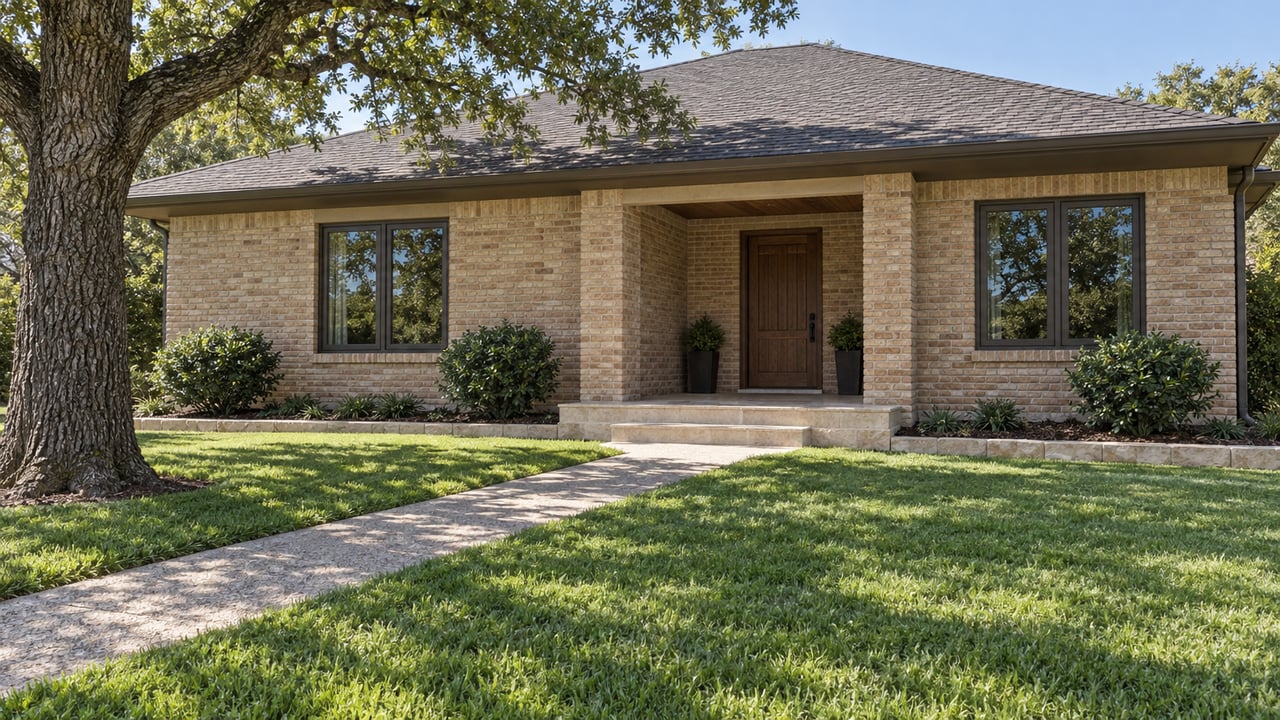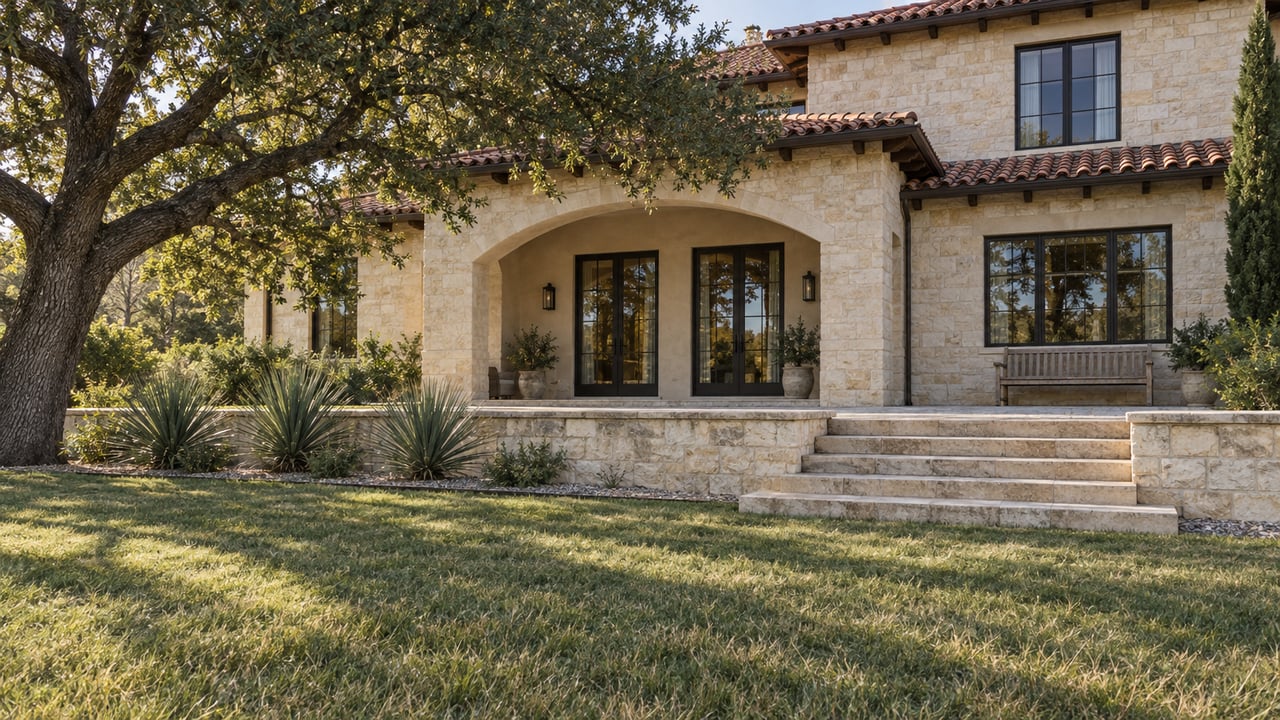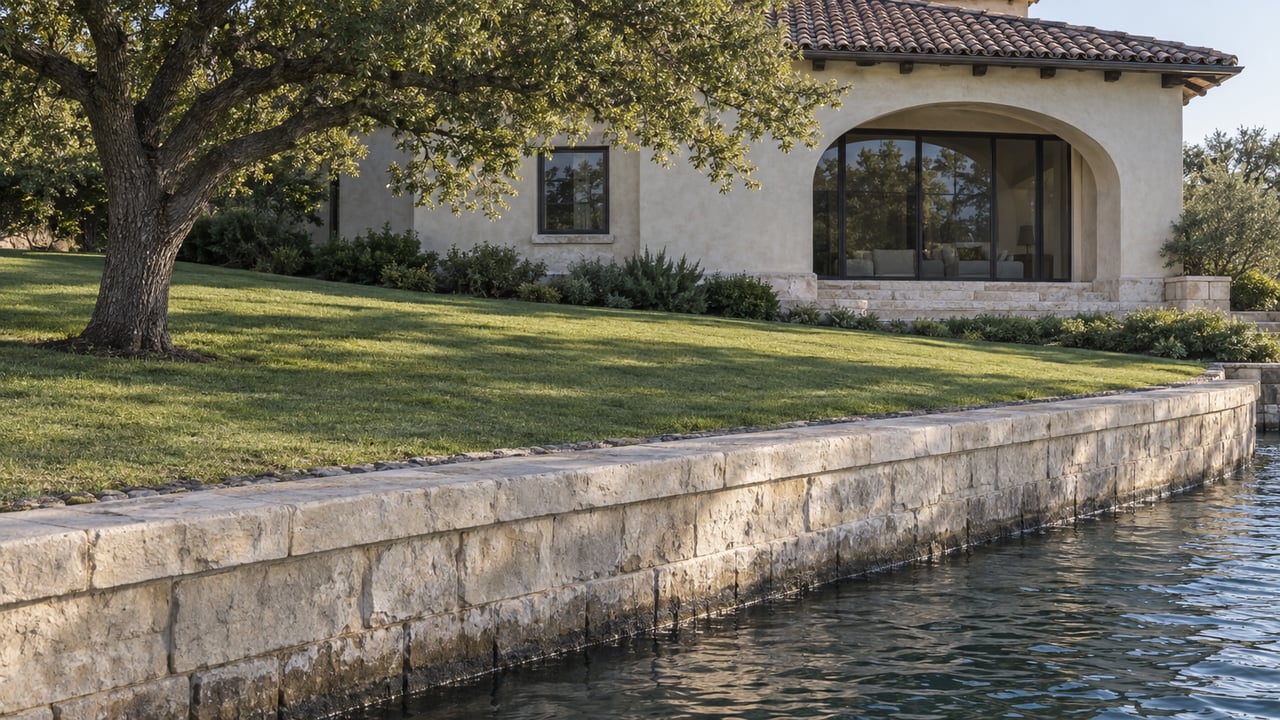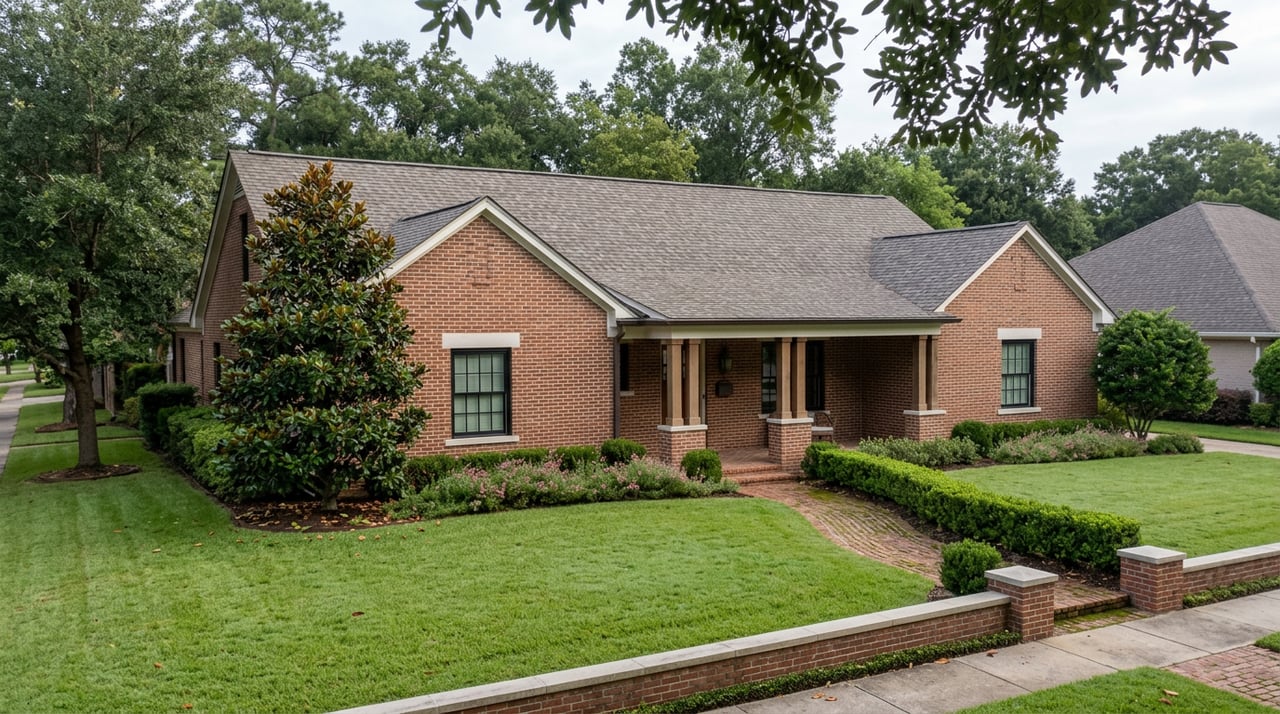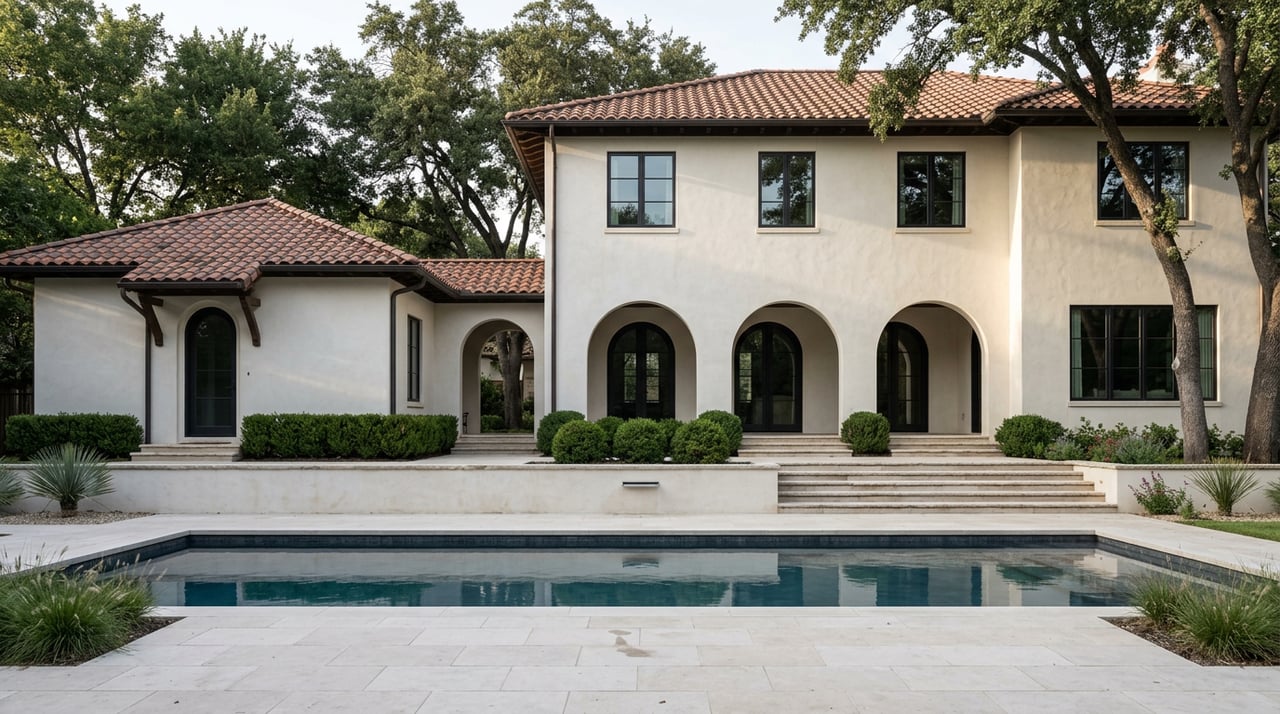
If you are planning for parents to move in, welcoming adult children home between chapters, or building a legacy estate that serves three generations, Westover Hills offers rare advantages. You get estate-scale lots, privacy and proximity to Fort Worth’s cultural core. You also face a very specific rulebook that shapes what you can build and how you can live together. In this guide, you will learn the zoning fundamentals, layout strategies that actually work, and the nearby services that support a multigenerational lifestyle. Let’s dive in.
Why Westover Hills suits legacy plans
Westover Hills is small and residential by design, with an estimated 908 residents and a very high share of owner-occupied homes. Income and housing values reflect an ultra-affluent market, with median household income near $250,001 and median owner-occupied value reported at $2,000,001. These figures point to a community where buyers often plan for decades, not quick moves. Census data highlights reinforce the long-term, estate-oriented context that many families want for multigenerational living.
Inventory is limited and properties often sit on generous lots. You will see both historic estates and newer luxury rebuilds. For families thinking across generations, that combination of scale, privacy and stability is compelling.
The rulebook that shapes your plan
Westover Hills enforces a single-family development pattern. The zoning ordinance states that no more than one private single-family residence may be erected on any lot. Just as important, it adds, “No garage or accessory building shall be used as a dwelling or living quarters.” These two rules are the backbone of local planning for multigenerational life. Review the Town’s zoning ordinance before you assume anything about adding separate units.
Some properties include detached “guest” structures that predate current rules. The ordinance preserves certain pre-existing nonconforming structures, which explains why some listings mention guest cottages. If a separate structure matters to your plan, verify whether it is a legal, pre-existing nonconforming use.
Dimensional standards also influence what is feasible. The Town requires a minimum lot frontage of 100 feet, a front setback of 60 feet, side setbacks of 15 feet and a rear setback of 20 feet. A dwelling must be at least 3,000 square feet exclusive of garages and porches. Two stories are generally required, with one-story designs allowed only on sloping lots by special permit. These specifics affect where you can add on, whether a main-floor suite fits, and how a single-level lifestyle can work. Start early with the Community Development and Building & Planning team to confirm what your parcel allows.
Home layouts that work across generations
Internal suites and shared kitchens
Because the ordinance limits you to one residence per lot and bars accessory buildings as dwellings, most families succeed with internal solutions. A main-floor primary suite for older parents, a secondary suite with a private bath, or a pair of bedroom suites connected by a shared sitting room can deliver privacy with easy access to the common kitchen and living areas. Sound insulation, separate closet space and a small coffee bar or undercounter refrigerator can add comfort without creating a second dwelling.
Elevators and single-level living options
Two-story homes are common, so plan for stair-free access where it matters most. A residential elevator or a well-placed chair lift can future-proof the home. If single-level living is nonnegotiable, focus your search on existing one-story homes or identify lots where the Town may allow a one-story plan due to slope through a special permit. The earlier you review site conditions with the Town, the smoother that decision will be.
Accessibility upgrades and caregiver logistics
For long-term ease, prioritize wide hallways, 36-inch doorways, zero-threshold entries, lever handles, and roll-in showers. A main-floor laundry and easy garage access simplify daily routines. If you anticipate live-in or visiting caregivers, plan a bedroom near a bath on the main level and confirm that any changes to habitable space, plumbing or electrical are permitted. The Town’s Building & Planning page outlines permit processes so you can coordinate upgrades without surprises.
Your step-by-step planning checklist
- Verify legal limits before you buy. Request the recorded plat and any lot dedications from the seller or title company. Westover Hills generally allows only one single-family residence per lot and prohibits garages or accessory buildings as living quarters. Review the exact language in the zoning ordinance.
- Meet the Town early. Speak with the Community Development / Building Official before you draw floor plans. Minimum frontage, setbacks, size, and story requirements determine what is possible for suites, additions and elevators.
- Favor internal conversion over separate units. Plan for a main-floor primary suite, an in-house secondary suite, or the retention of a legal pre-existing guest structure if present. Keep circulation simple and plan for an elevator if bedrooms span two levels.
- Plan for caregiving now. Include accessible baths, wider doorways, and space for a caregiver bedroom. Confirm whether proposed ramps, lifts or garage adjustments need permits through the Town’s Building & Planning page.
- Map a care continuum. If needs change, nearby senior living such as The Stayton at Museum Way can keep loved ones close to home. Evaluate drive times for frequent visits and medical appointments.
- Coordinate financial and legal details. With high-value properties, align your tax and estate planning with your attorney and CPA. Consider title and plat reviews and, if helpful, incorporate occupancy expectations for future generations into your estate documents.
Daily life, clubs and culture nearby
Schools and education
Westover Hills lies within Fort Worth ISD. Attendance boundaries can change, and the district has approved boundary updates effective fall 2026. Before you buy or enroll, confirm assignments for your exact address and year. You can review the district’s update on approved boundary changes for 2026.
Many families also explore private options within a short drive. One example is Fort Worth Country Day, among other independent schools in the area. Choose based on your priorities for academics, arts and athletics.
Health and senior care access
Acute care and specialty services are close by. Major hospitals like Baylor Scott & White Medical Center in Fort Worth are a short drive, along with other leading systems and pediatric specialty care. For long-term planning, life-plan and assisted living communities such as The Stayton at Museum Way offer options if support needs change over time.
Clubs, trails and cultural life
If private-club programs are part of your family rhythm, proximity to Shady Oaks Country Club is a draw. Learn more about its heritage and amenities in this profile of Shady Oaks Country Club. You are also minutes from the Fort Worth Cultural District, TCU area, and the Trinity Trails, which provide multi-age activities, museum access and outdoor time. See a concise area overview in this guide to Westover Hills and nearby amenities.
Municipal services and ongoing costs
Westover Hills is an incorporated town with its own Town Hall, police and Community Development department. You will work directly with Town staff for permits, variances and project approvals, which helps keep standards consistent over time. For budgeting, the Town publishes utility information and current water and sewer rates. Include these costs in your long-term projections, especially if you anticipate future renovations or added equipment.
Working with a trusted local advisor
Planning a multigenerational life in Westover Hills is equal parts vision and precision. The right property should balance privacy, accessibility and long-term flexibility while aligning with the Town’s rules. A seasoned, locally rooted advisor can help you evaluate parcels, read between the lines of listing language and coordinate the right experts for a seamless plan.
If you are exploring Westover Hills or quietly considering a change, let’s talk about your family’s goals and timeline. With deep neighborhood knowledge, discreet marketing resources and access to private networks, Raleigh Green can help you identify on-market and off-market opportunities that support your legacy.
FAQs
Can I build a separate guest house in Westover Hills?
- Generally no. The zoning ordinance limits you to one single-family residence per lot and states that accessory buildings, including garages, may not be used as dwellings. Verify any existing “guest house” as a legal pre-existing nonconforming structure.
Are one-story homes common for aging in place?
- Two-story homes are typical. One-story homes are less common and may require finding an existing single-level property or seeking a special permit where lot slope qualifies.
Who approves plans for in-law suites or accessibility remodels?
- The Town of Westover Hills Community Development / Building Official reviews permits. Any internal conversion that adds habitable space or changes plumbing or electrical usually requires approval.
How do I confirm school assignments for a Westover Hills address?
- Westover Hills is within Fort Worth ISD, and boundary changes are approved for fall 2026. Use the district’s resources to confirm the assigned schools for your exact address and year.
What hospitals and senior living options are nearby?
- Major hospital systems are a short drive, including Baylor Scott & White in Fort Worth, along with other area providers. Life-plan and assisted living communities such as The Stayton at Museum Way are also nearby.