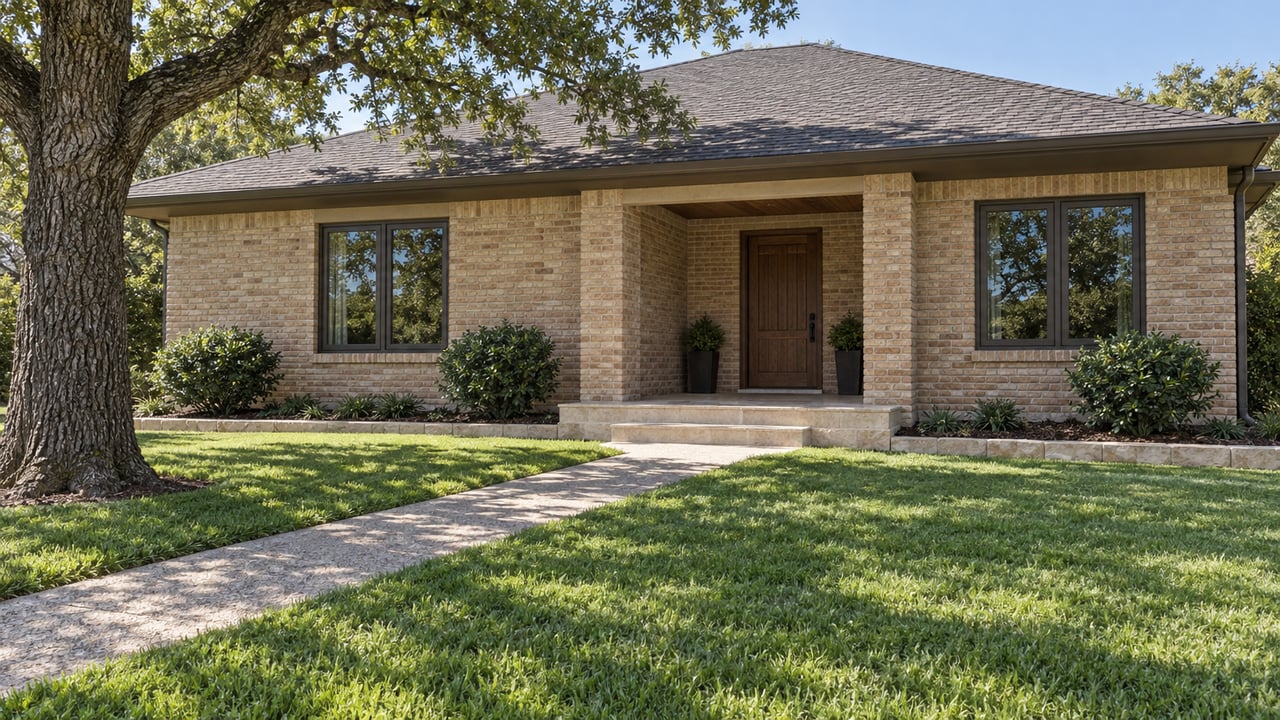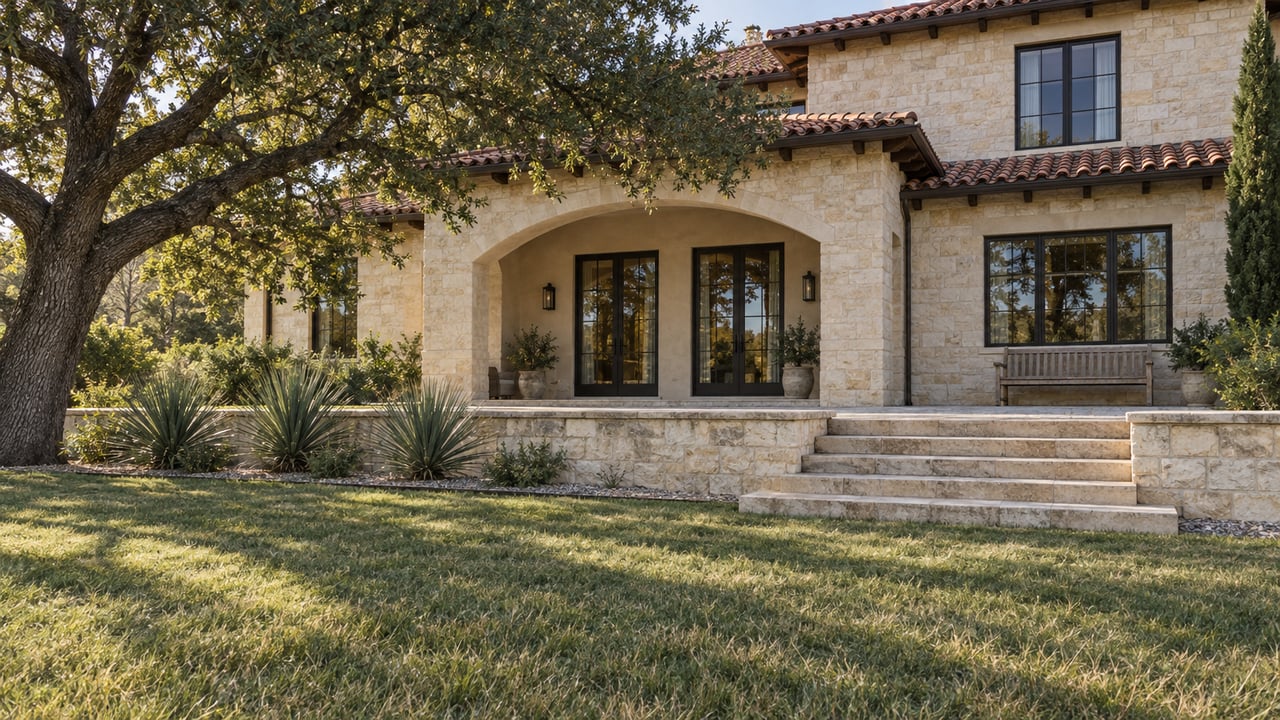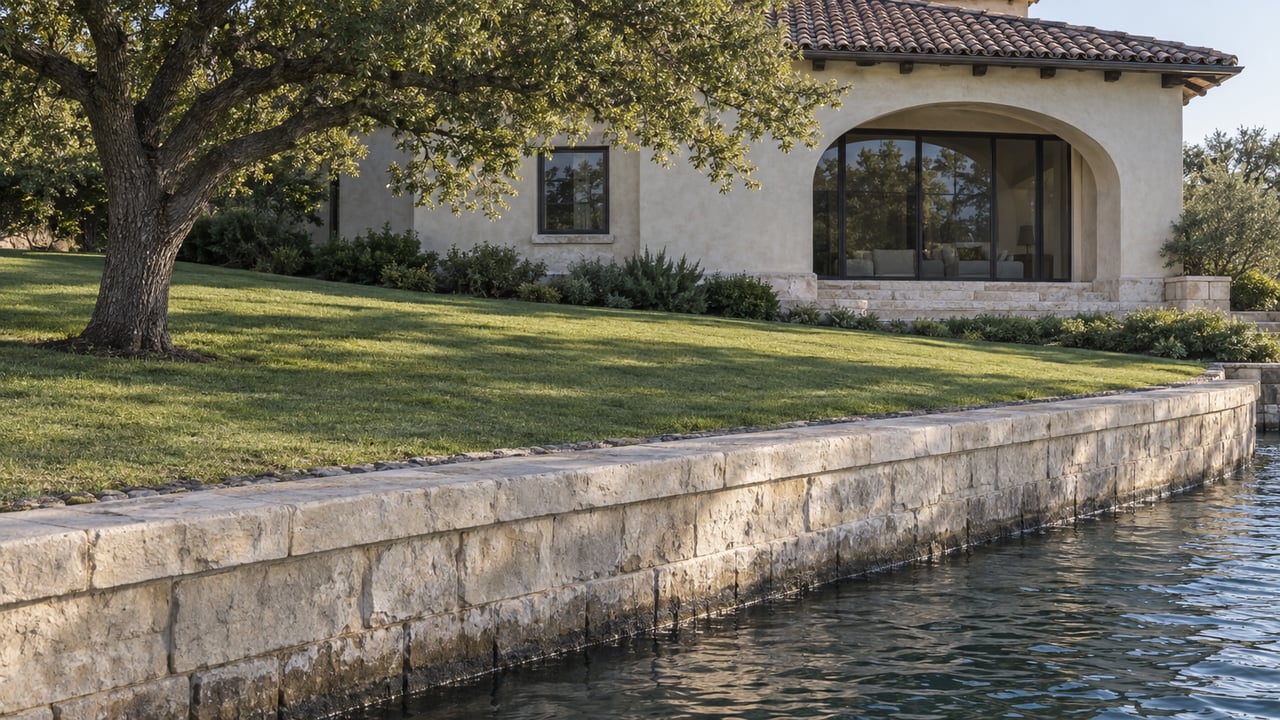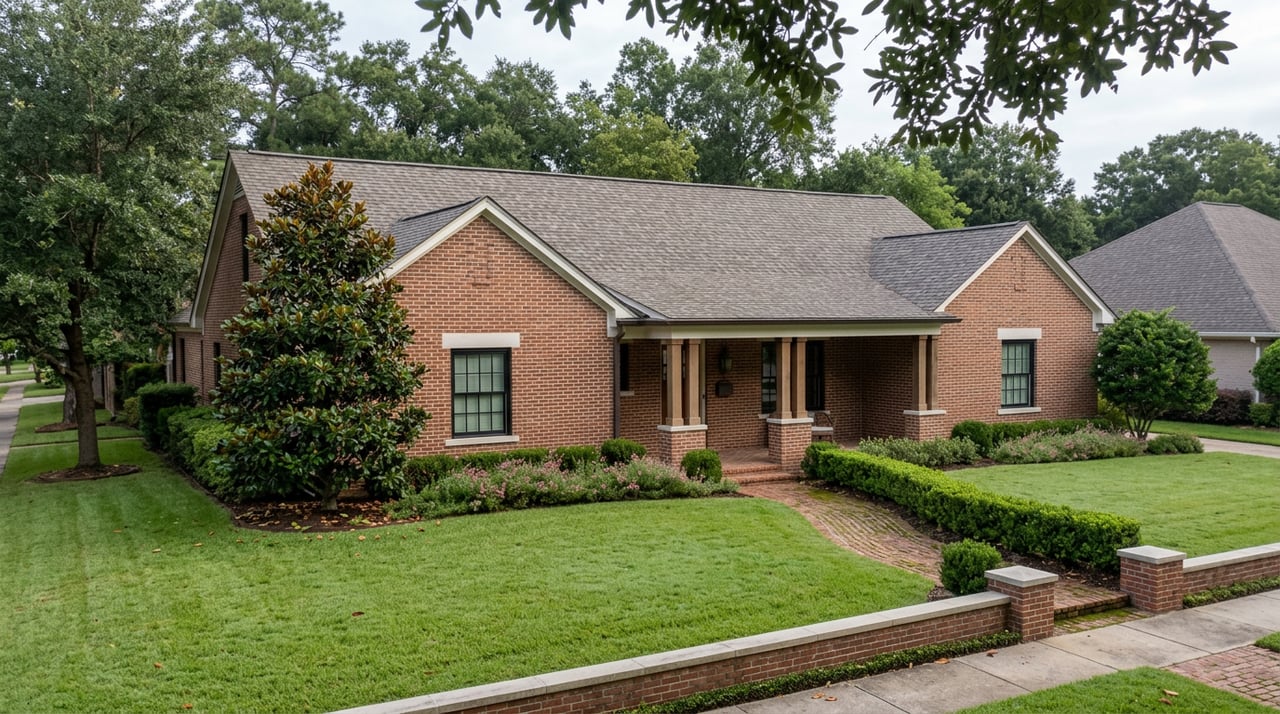
"What I love about Montserrat and Montrachet is the perfect blend of luxury and community."
That's Raleigh Green, describing the two hilltop neighborhoods he and his wife Megan work in nearly every week, in a feature CultureMap Fort Worth ran last September. It's the kind of line that could describe almost any gated community in this city. What makes it specific to Montserrat is what came next in that same conversation: the Greens naming Thistle Hill as the neighborhood's favorite off-property stop for visiting family. Ask most residents where to take out-of-town guests for an afternoon, and Thistle Hill comes up fast.
Here's what most of the guides pointing you there haven't caught up on. The mansion changed hands in 2022, and the version of Thistle Hill that's been recommended for the past two decades isn't quite the version standing there today.
What's actually behind your own gate first
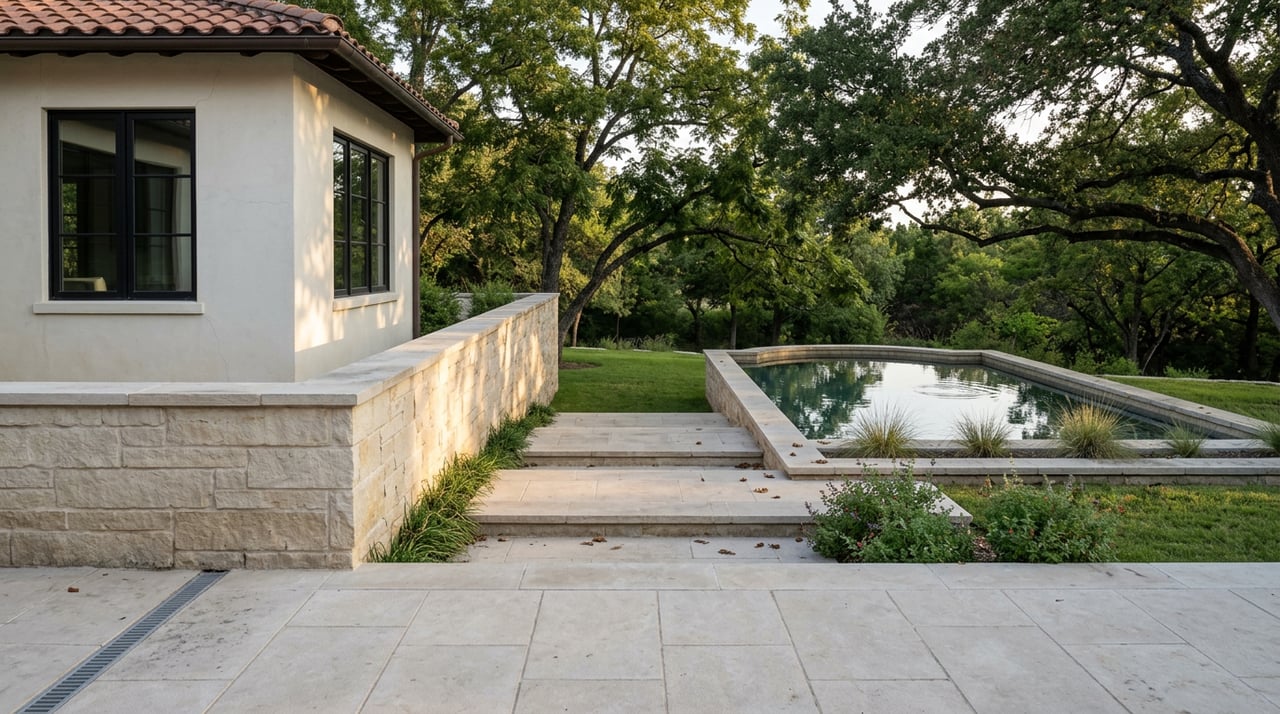
Before guests even leave the neighborhood, Montserrat gives them somewhere to walk. Sagrada Park, the community's 17-acre nature park, runs along Mary's Creek with shaded trails, picnic areas, and a stocked fishing pond that residents use for exactly what it sounds like: an unhurried Sunday afternoon with a rod and a lawn chair. A short drive away sits Ridgetop Park, a tighter two acres with its own stocked ponds and a small waterfall feature, the kind of spot that works for a stroller loop before breakfast or a slow evening walk once the August heat breaks.
Together the two parks make up the bulk of the more than 30 acres of green space the community was built around, tucked below cliffs that drop 150 feet to the creek and open onto views that stretch to the downtown skyline on a clear day. None of this requires planning. It's the low-effort option for a Tuesday, not the thing you build a guest weekend around. For that, residents leave the gate.
The itinerary everyone repeats
Ask around and the answer is fairly consistent: Thistle Hill for the history, the Fort Worth Water Gardens for the architecture. Both sit roughly 15 to 20 minutes from Montserrat's Team Ranch Road entrance, and both photograph well, which is probably half the reason they've become the default recommendation.
Thistle Hill earns the reputation honestly. Built in 1903 and 1904 for Electra Waggoner, daughter of cattleman W.T. Waggoner, the Georgian Revival mansion on Pennsylvania Avenue carries triple landmark status at the local, state, and national level. Eighteen rooms, a grand oak staircase, marble columns added during a later remodel. It's the kind of house that explains, better than any brochure copy, what wealth looked like in Fort Worth before the oil money arrived and before the cattle money left.
The Water Gardens are the modern counterpoint. A downtown park built around terraced pools and a sunken plaza, it's the sort of civic architecture that doesn't announce itself as luxury and doesn't need to.
Both are real recommendations. Neither is wrong. What's changed is the fine print on one of them.
What actually happened at Thistle Hill
For sixteen years, Historic Fort Worth, Inc. owned and operated Thistle Hill, running public tours four days a week and hosting the holiday parties and lawn picnics that generations of Fort Worth families associate with the house. That ended in August 2022, when Historic Fort Worth donated the mansion to Cook Children's Health Care System, whose medical campus had grown to surround the property on three sides. Gail Landreth, the Historic Fort Worth board member who led the donation, put it plainly in reporting from the Fort Worth Report at the time: the neighborhood around Thistle Hill had changed enough that it no longer worked well as a public event venue, and Cook Children's was the natural next steward.
Cook Children's said at the time it planned to use the mansion as a meeting space and preserve its character, without committing to specifics beyond that. A legal easement held by the Texas Historical Commission still requires any owner to seek state approval before modifying the structure, and, according to a Fort Worth Architecture forum post, a deed restriction attached to the property guarantees the house stays open to the public a minimum of six days a year. That's a floor, not a schedule. It's not the same as the old Wednesday-through-Friday walk-in tours plus Sunday afternoons that a lot of travel sites still list.
The restoration that followed
The story didn't end with the ownership transfer. In 2024, Fort Worth craftsman Brent Hull worked alongside Norman Alston Architects on a fuller restoration of the main house and the property's rare carriage house, one of only two urban transitional carriage houses left in Texas, built originally to shelter both horses and early automobiles. The work touched the Ludowici tile roof, the wood windows, and the exterior millwork, the kind of restoration meant to carry the building through its next century rather than just patch what showed.
That's a distinct project from the restoration Historic Fort Worth completed during its sixteen years of ownership, which focused on the interior, the garden pergola, and ADA accessibility. Two different owners, two different restoration campaigns, two years apart. The mansion residents are sending their guests to see today is the same physical building, but it is under different management and runs different hours from the version described in a lot of the older reviews still circulating online.
What this means before you plan the Saturday
None of this means skip Thistle Hill. It means call first. The old published tour times, the $20 combined ticket with the neighboring McFarland House, the flashlight tours after dark, all of that described an operating model run by a different owner under a different set of priorities. Cook Children's has been quiet about its public programming since the handoff, and the deed restriction only promises six days a year, not a weekly schedule.
A few things worth knowing before you build a weekend around it:
- Thistle Hill is now a Cook Children's property, not a Historic Fort Worth one. Contact information tied to the old operator may not reach the current schedule.
- The 2024 restoration was substantial enough to touch the roof, windows, and carriage house. Ask what's currently viewable versus what's still closed off.
- The Fort Worth Water Gardens carry no such uncertainty. It's a public city park with no ticket, no tour schedule, and no ownership transition to track. If Thistle Hill's hours don't line up with your guests' visit, the Water Gardens still work as the anchor for the afternoon.
- Inside the gate, Sagrada Park's fishing pond and Ridgetop Park's waterfall remain the reliable option regardless of what's happening twenty minutes away. No calling ahead required.
The neighborhood's own amenities haven't changed. What changed is the one landmark everyone assumes still works exactly the way it always has.
The quieter point underneath all this
Living behind a gate on the western edge of Fort Worth means the city's older institutions shift ownership, restore themselves, and rewrite their own operating hours without much fanfare reaching the people fifteen minutes away. Thistle Hill's transition from a nonprofit-run house museum to a hospital-owned meeting space is exactly that kind of change: significant to the building's future, invisible to most of the recommendation lists that still point people there.
Raleigh Green Real Estate Group tracks these shifts because staying current on what's actually happening in West Fort Worth, not just what used to be true about it, is the same work that goes into representing a home here well. If you're weighing a move into Montserrat, Montrachet, or another West Fort Worth enclave and want a conversation grounded in what's true today rather than what a listing page said two years ago, the Raleigh Green Real Estate Group is a call away for a private consultation.
This article is general information, not legal, tax or financial advice. Consult a qualified professional about your situation.