If you own in Westover Hills, you live in one of North Texas’s rarest markets: a small, legacy enclave where a single sale can move the numbers. That thin sample can make it hard to know when to list, what to upgrade, and how to price. You want clarity grounded in what has actually closed, not just headlines. In this guide, you’ll see the latest pricing signals, how inventory behaves, what really drives value here, and a simple framework to decide whether to hold, upgrade, or sell. Let’s dive in.
Quick snapshot: pricing, pace, inventory
Westover Hills sits in the multi‑million dollar band on average, with very few monthly sales. That means month‑to‑month swings are normal and often driven by one trophy property.
- Average home value: Zillow’s ZHVI shows $2,586,097 through January 31, 2026.
- Recent median sale price: Redfin’s December 2025 snapshot reported roughly $2.5 million, with an average of about $615 per square foot and around 45 days on market. These are micro-samples with few closings.
- Median list price: Rocket’s June 2025 report showed about $2.7 million and about $561 per square foot on list price samples.
- Inventory scale: Aggregators often record single‑digit active listings. Movoto showed 6 active listings with about 52 average days on market in October 2025.
- Town context: Westover Hills is a very small incorporated town of about 277 homes and roughly 700 residents. The scale helps explain why each listing matters. See the town’s official profile for background.
Bottom line: pricing headlines are useful as context, but you should always anchor decisions to recent, like‑kind comps and the specific features of your property.
What recent sales say
Closed sales are your clearest guide. One example inside the Westover Hills/76107 area, 1905 Indian Creek Dr, sold on December 5, 2025 for $2,585,000, which sits near the current average pricing band. You also see estate‑scale listings at the top. The profile of the landmark Westover Manor at 8 Westover Road highlighted a $5.1 million list in 2025, on approximately 1.13 acres with 1929 Tudor pedigree and National Register status.
These two ends of the spectrum help define today’s range. In recent months, typical closed deals have clustered around roughly $2.5 million to $3.5 million, while trophy offerings can run to $5 million and above. In a thin market, one high‑end sale can nudge medians higher, so you should weigh multiple comps before finalizing price.
Inventory and demand patterns
Inventory is the constraining factor here, not buyer interest. Through 2025, public aggregators frequently showed only a handful of active listings at any time. Days on market in available snapshots often ranged from about 40 to 90 days, which reflects differences in pricing strategy, lot and architecture premiums, and property condition.
While sales volume is low, the buyer pool is both local and national. Redfin’s migration samples show interest from out‑of‑market metros like Los Angeles, Seattle, and Washington DC. For sellers, that supports a marketing plan that pairs hyper‑local credibility with targeted outreach to out‑of‑area luxury buyers.
What drives value in Westover Hills
Lot scale and setting
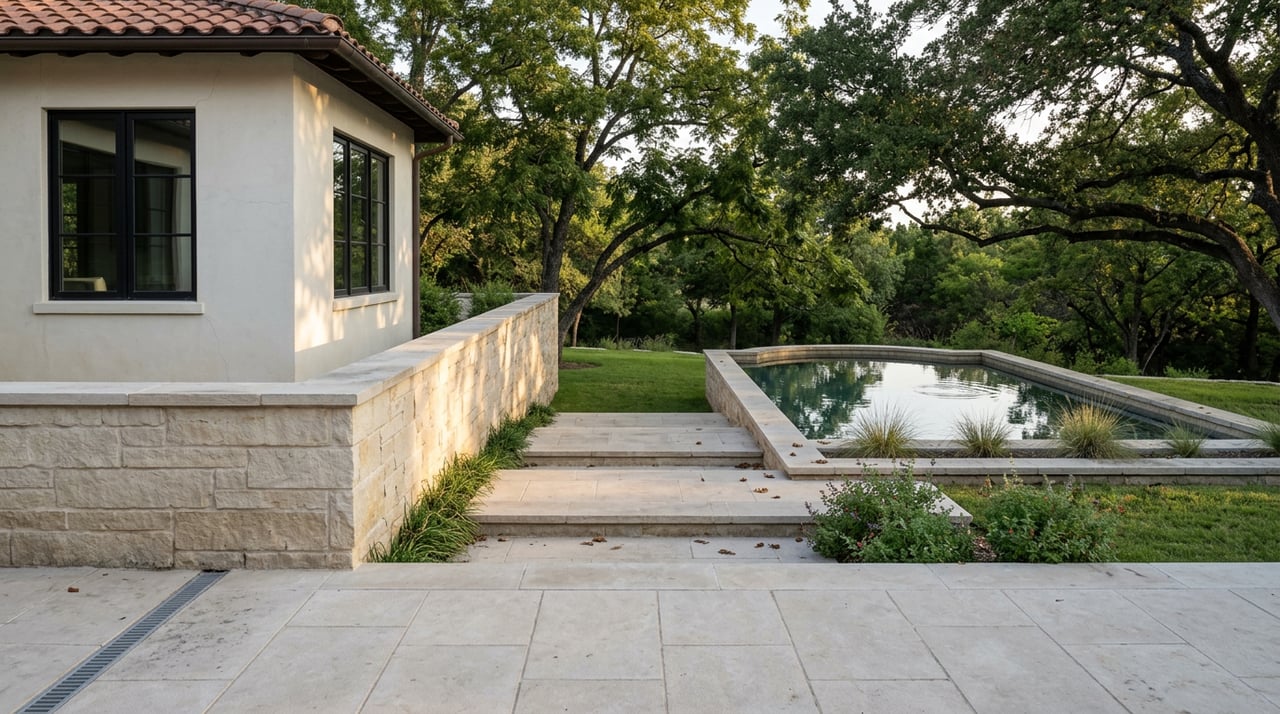
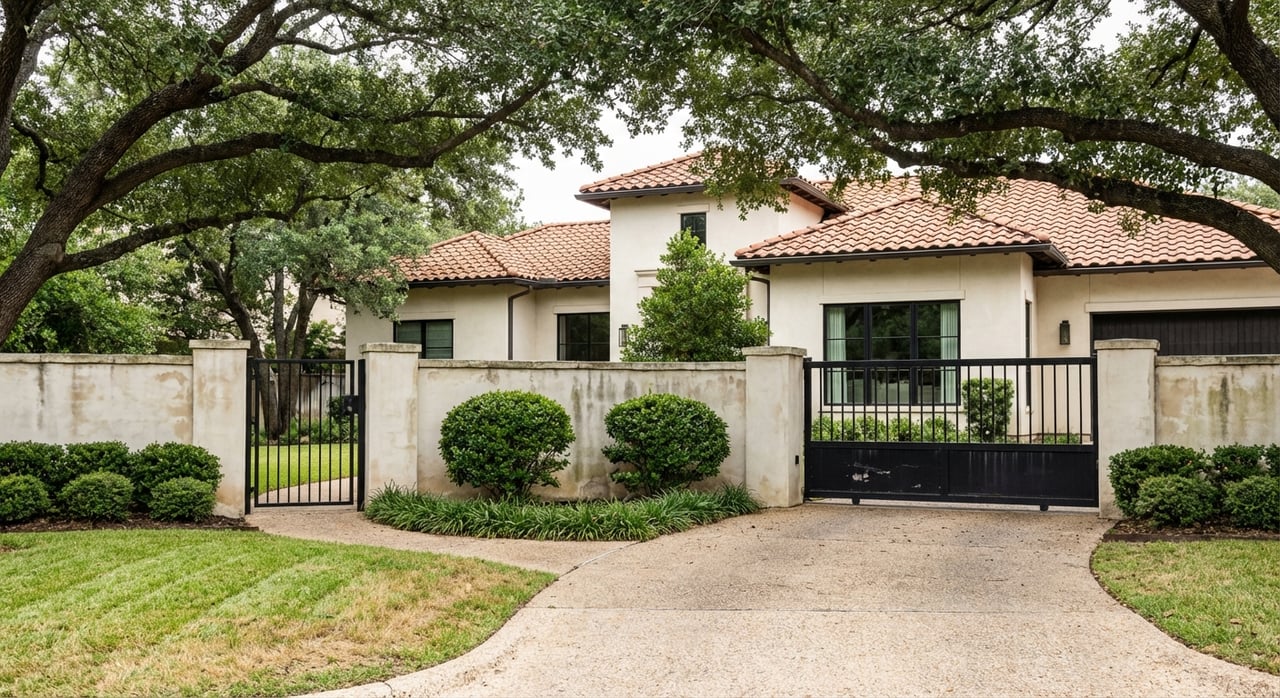
Estate lots and mature, landscaped grounds command premiums. The town’s heritage and neighborhood character emphasize large parcels, privacy, and established tree canopy that are difficult to replicate. Lead with land, privacy, and outdoor rooms in your marketing. The town’s official profile underscores the small‑town scale and legacy setting that many buyers seek.
Architectural pedigree and provenance
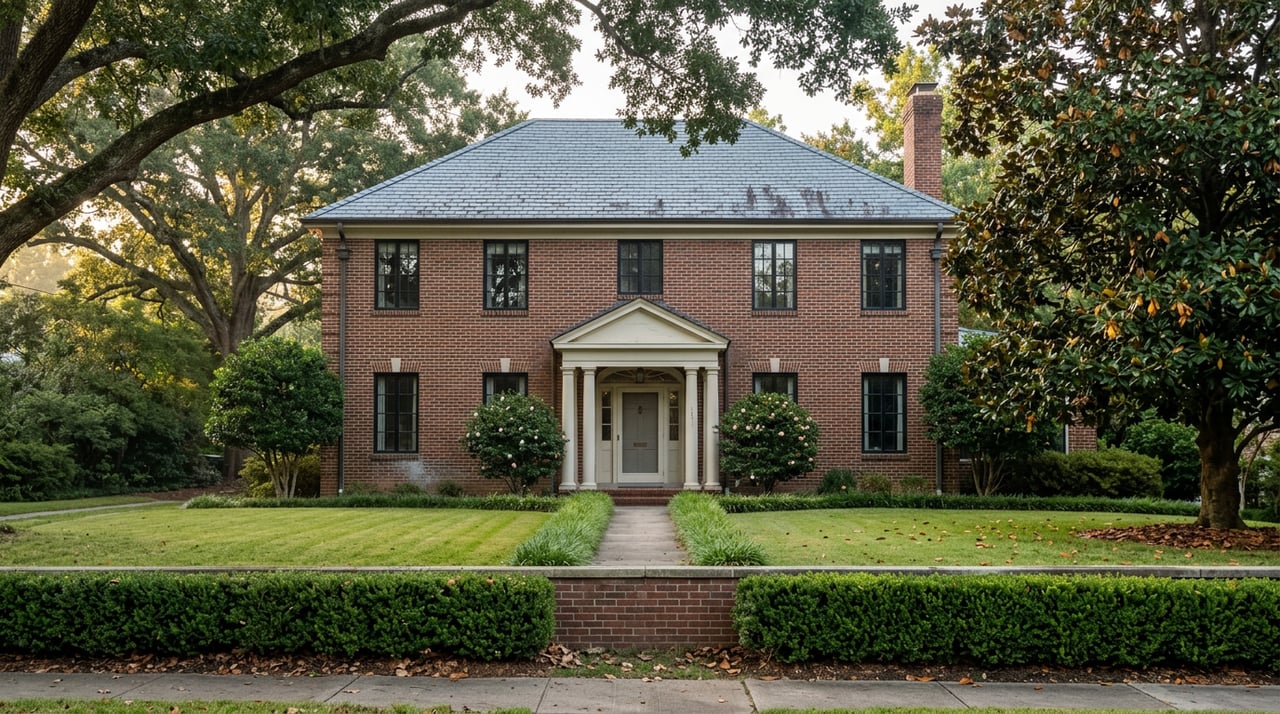
Historic Tudors, mid‑century estates, and architect‑designed homes enjoy outsized appeal. Properties with National Register status or intact original features often earn a pricing edge with buyers who value heritage. The Westover Manor example illustrates how architecture plus provenance can justify the top of the band.
Condition, systems, and targeted updates
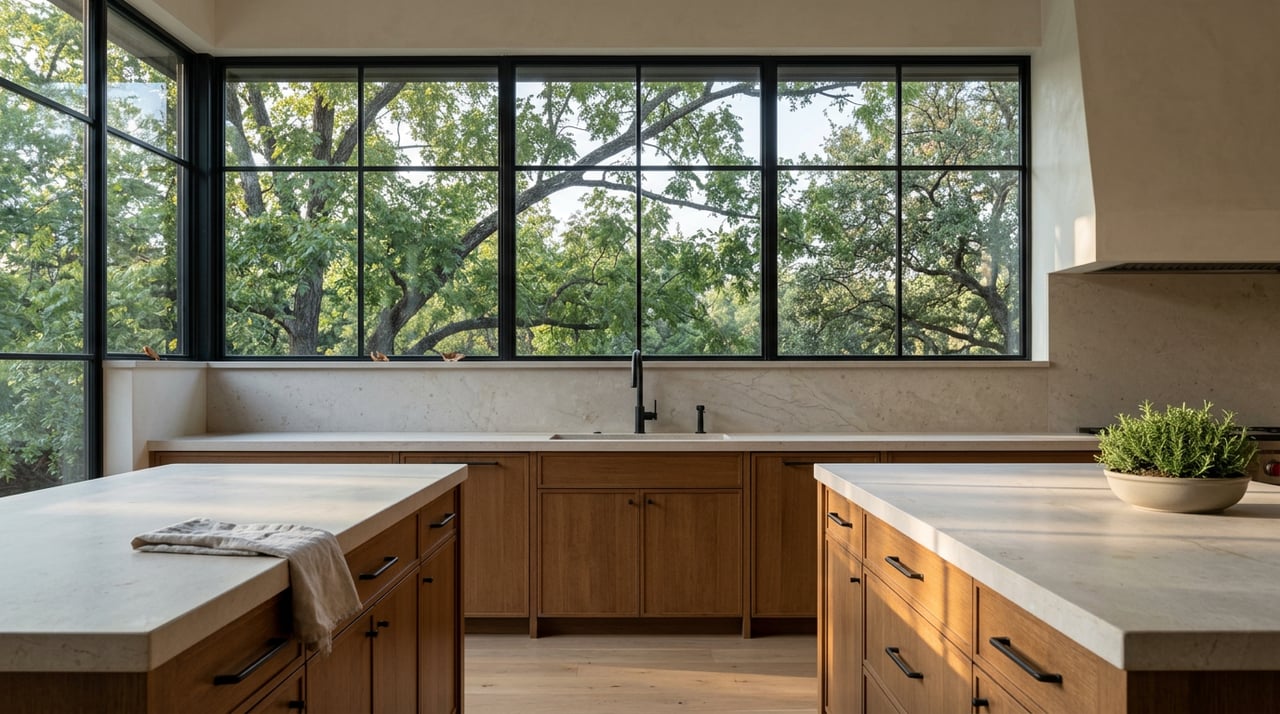
Turnkey condition eases buyer concern and can shorten days on market. National data from the 2025 Cost vs. Value report shows midrange projects like minor kitchen refreshes historically recoup strongly on resale, with recent national averages around 113 percent for a Minor Kitchen (midrange). Exterior improvements that boost curb appeal, including garage and entry upgrades, also rank high. In contrast, ultra‑custom luxury overhauls often recoup a smaller percentage. For most sellers here, prioritize curb appeal, roofs and HVAC, electrical and plumbing, and a tasteful kitchen refresh.
Amenities and location premiums
Proximity to private country clubs, quiet streets with mature trees, and quick access to Fort Worth’s Cultural District and downtown add value. Framing these advantages helps position a Westover Hills listing versus other area enclaves. For deeper context on how nearby areas differ, review this local perspective on Westover Hills versus River Crest value signals.
Micro risks that affect pricing
Some properties carry moderate flood indicators, and regional heat or wind factors can show up in public risk dashboards. These variables influence insurance and negotiation. If relevant to your home, disclose and quantify early to avoid late‑stage concessions.
How Westover Hills compares nearby
Rivercrest and Crestline also trade in the high‑end band, but they include a wider inventory mix. Crestline samples sometimes show medians closer to the $800,000 to $1 million range, while Rivercrest records both mid‑range and multi‑million closings depending on the snapshot. Westover Hills tends toward fewer homes on larger parcels with strong privacy and heritage signals. Use nearby neighborhoods for context, not as strict one‑to‑one comps, because boundaries and sample sizes differ.
Owner decision guide: hold, upgrade, or sell
Use this simple framework to decide your next move.
Hold, if this is you
- You do not need liquidity and your home is market‑ready.
- Zillow’s ZHVI indicates roughly a 7.1 percent gain over the past year through January 31, 2026, yet month‑to‑month readings remain volatile in thin samples.
- Your carrying costs and property taxes are comfortable, and you plan to enjoy the asset for the next cycle.
Upgrade, if you want to strengthen resale
Focus on projects with strong cost‑recoup evidence and risk reduction for buyers.
- Prioritize curb appeal: entry, lighting, landscape grooming, driveway, and garage door improvements are high ROI categories in national data.
- Opt for a minor kitchen refresh over a full luxury reconfiguration unless you plan to hold long term.
- Address major systems early: roof, HVAC, electrical, and plumbing upgrades reduce inspection friction and concession risk.
- Secure three bids and budget a 10 to 15 percent contingency for high‑end contractors.
Sell, if you seek today’s multi‑million demand
In a low‑inventory market, well‑positioned homes capture concentrated attention. Prepare for a curated, data‑driven sale.
- Align pricing with recent like‑kind comps in the $2.5 million to $3.5 million band, with a plan for trophy pricing if you offer acreage or notable pedigree.
- Consider a pre‑listing appraisal and pre‑inspection to remove surprises in a high‑ticket negotiation.
- Emphasize lot scale, mature landscaping, architectural pedigree, and any recent major systems work in your materials.
- Market locally and to out‑of‑area luxury buyers through targeted channels and private networks.
Pricing and timing strategy for a thin market
When a market is this small, precision matters. Calibrate price using several approaches and prepare to course‑correct based on early feedback.
- Bracket pricing around two to three strongest comps that match your lot size, architectural era, updates, and immediate setting. Note the date and sample size of each comp.
- Study days‑on‑market patterns. Snapshots in 2025 often ranged from about 40 to 90 days, which can guide timing for price reviews at the 21 to 30 day mark.
- Launch with editorial‑grade visuals and copy that tell a land‑plus‑architecture story. Highlight privacy, tree canopy, and outdoor living.
- Use private showings, agent‑to‑agent outreach, and targeted digital to reach out‑of‑state buyers who often search this micro‑market.
Property tax and municipal context
Westover Hills is an incorporated town of about 277 homes with a long history of local stewardship. For planning, the town lists the 2026 municipal property tax rate at $0.486364 per $100 valuation. Always confirm your full tax picture by combining county, school, and other district rates with the municipal rate, then factor it into hold or sell timelines.
The bottom line for owners
Your pricing story in Westover Hills starts with three pillars: lot and privacy, architectural pedigree, and turnkey condition. Inventory stays tight, so thoughtful positioning and targeted outreach usually matter more than trying to time a perfect month. If you plan to hold, maintain your systems and curb appeal. If you plan to sell, lean into heritage and land, support it with recent like‑kind comps, and reach both local and national buyer pools.
If you would like a confidential, property‑specific strategy that weighs off‑market options, Sotheby’s‑caliber marketing, and recent local comps, connect with Raleigh Green. Request a private consultation and we will tailor a plan to your goals.
FAQs
What are current home values in Westover Hills?
- Zillow’s ZHVI shows an average home value of $2,586,097 through January 31, 2026, while recent sale samples often cluster around $2.5 million to $3.5 million with trophy properties higher.
How long do luxury homes take to sell in Westover Hills?
- Recent snapshots placed days on market roughly in the 40 to 90 day range, which varies by pricing strategy, condition, lot size, and architectural appeal.
How many homes are typically on the market at once?
- Inventory is often in the single digits, and in October 2025 one aggregator recorded 6 active listings, which means each property can attract concentrated buyer attention.
What upgrades deliver the best resale return here?
- National data points to a Minor Kitchen (midrange) refresh and exterior curb appeal projects, along with major systems updates like roof and HVAC, as strong choices for recoup and buyer confidence.
How do Westover Hills and River Crest differ for buyers?
- Westover Hills trends toward larger estate parcels, privacy, and heritage, while nearby River Crest and Crestline offer a wider price mix and more club‑centric advantages.
What is the Westover Hills municipal tax rate for 2026?
- The town reports a municipal rate of $0.486364 per $100 valuation for 2026; confirm your total tax bill by adding county, school, and other district rates.