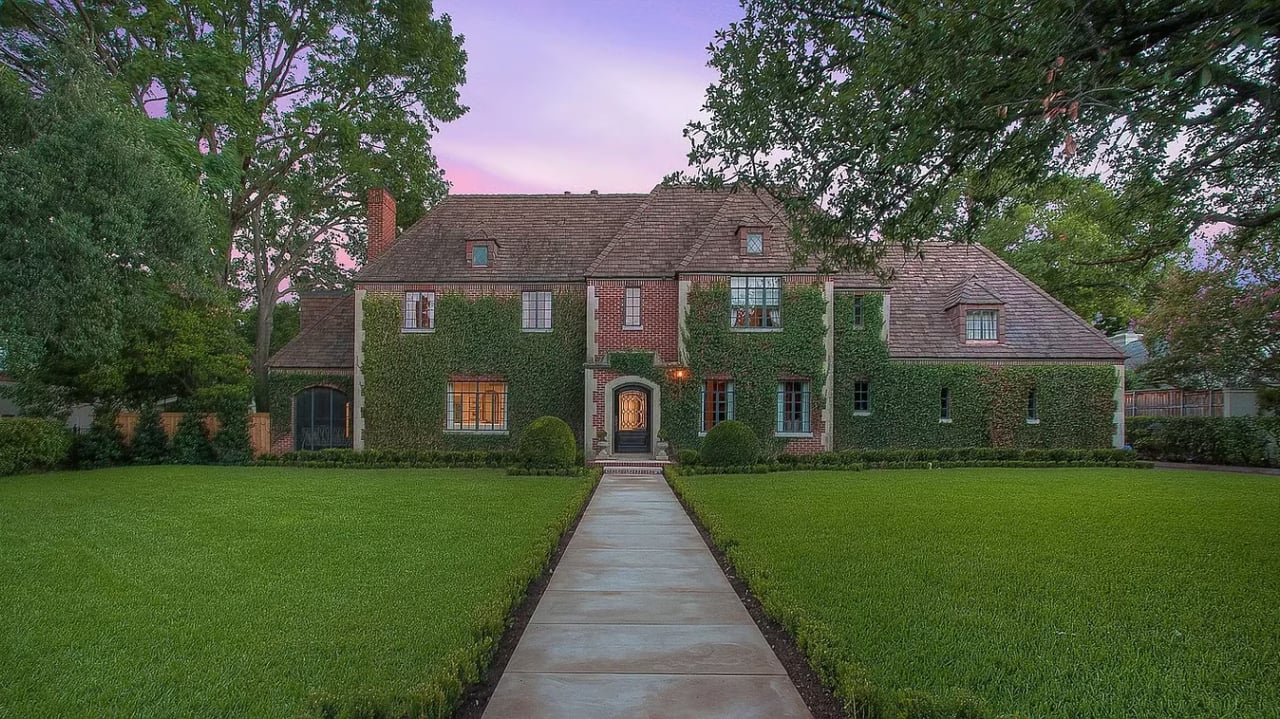
Looking for a Fort Worth neighborhood that feels private and timeless yet stays connected to the city’s best amenities? If you value large lots, mature trees and a quiet, residential rhythm, Westover Hills should be on your short list. In this guide, you’ll learn how the town’s incorporated status shapes daily life, what to expect from lot sizes and architecture, how to approach schools and commutes, and how today’s market works for buyers and sellers. Let’s dive in.
Where Westover Hills fits
Westover Hills is a small, incorporated town within Tarrant County, surrounded by greater Fort Worth. That incorporated status matters. Municipal code and local governance, rather than an HOA, guide zoning, permitting and basic services.
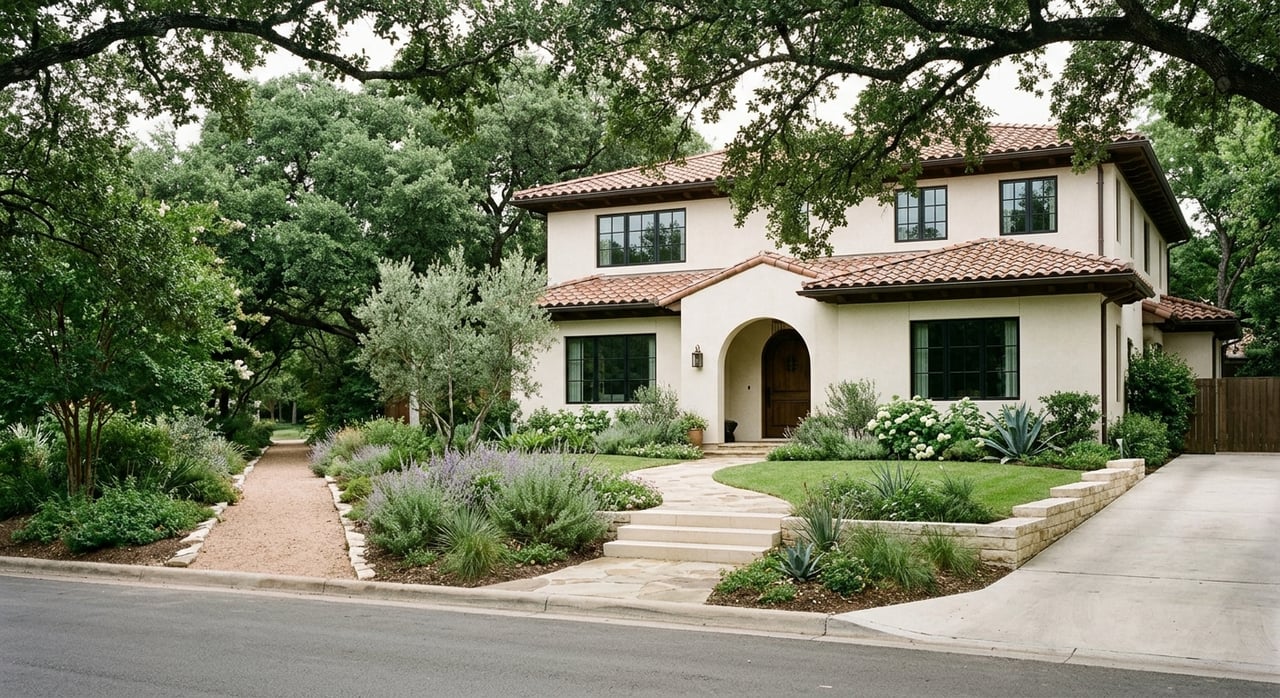
The neighborhood began developing in the early to mid 20th century. You’ll notice mature canopies, wide setbacks and an estate feel that has endured through careful reinvestment. Many properties preserve original character while integrating modern comforts.
Lot sizes, privacy and setting
Estate-sized lots and setbacks
You can expect lots that are larger than typical city parcels across Fort Worth. Many homes sit well back from the street, creating a gracious arrival and room for pools, guest quarters or expanded outdoor living. Because the town is small, lot sizes vary by block and era. Some original parcels have been subdivided, while others remain expansive.
Everyday privacy features
Privacy is a defining trait. Stone or brick walls, gated drives and dense landscaping are common. Mature trees and generous setbacks soften the streetscape and help many homes feel secluded from public view.
Terrain and flood checks
Westover Hills benefits from rolling terrain and established tree cover. Proximity to the Trinity River valley influences micro-topography in nearby areas, so it’s smart to review flood maps for any specific address during due diligence. Elevation certificates and flood-insurance quotes can help you make a clear decision.
Homes and architecture
What you’ll see on the market
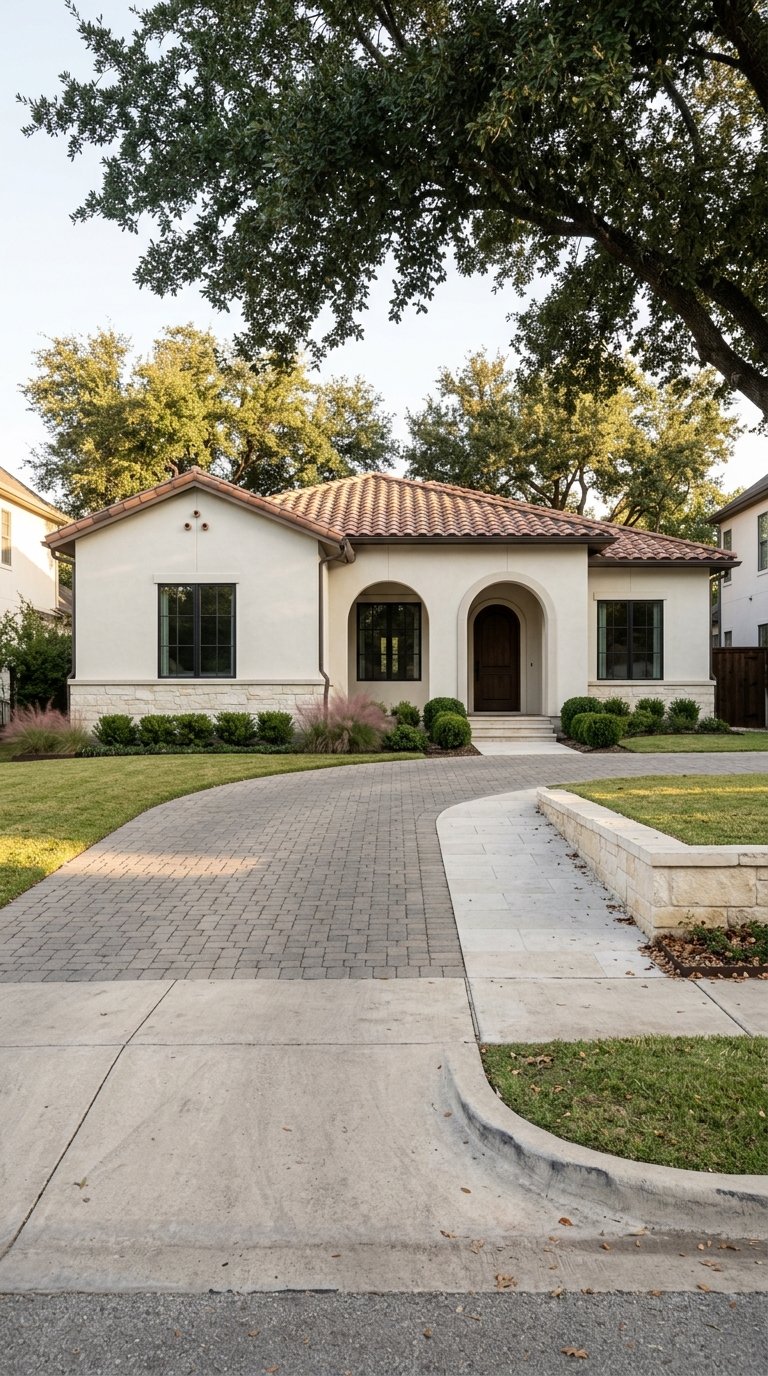
Westover Hills is primarily single-family homes. You’ll find original mid-century estates, period homes with architectural pedigree and newer high-end builds where older structures have been replaced. Home sizes vary widely, but many are larger than the metro average, with multiple bedrooms, formal and informal living spaces, and generous garage capacity.
Architectural styles at a glance
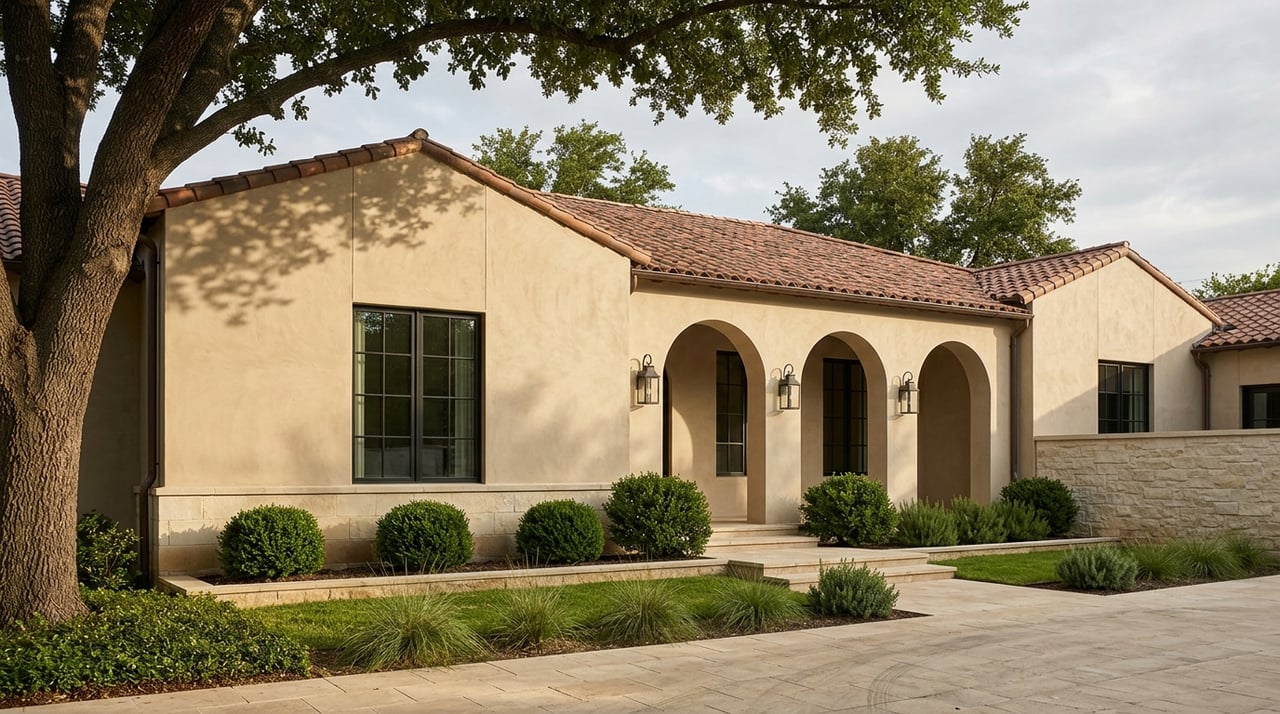
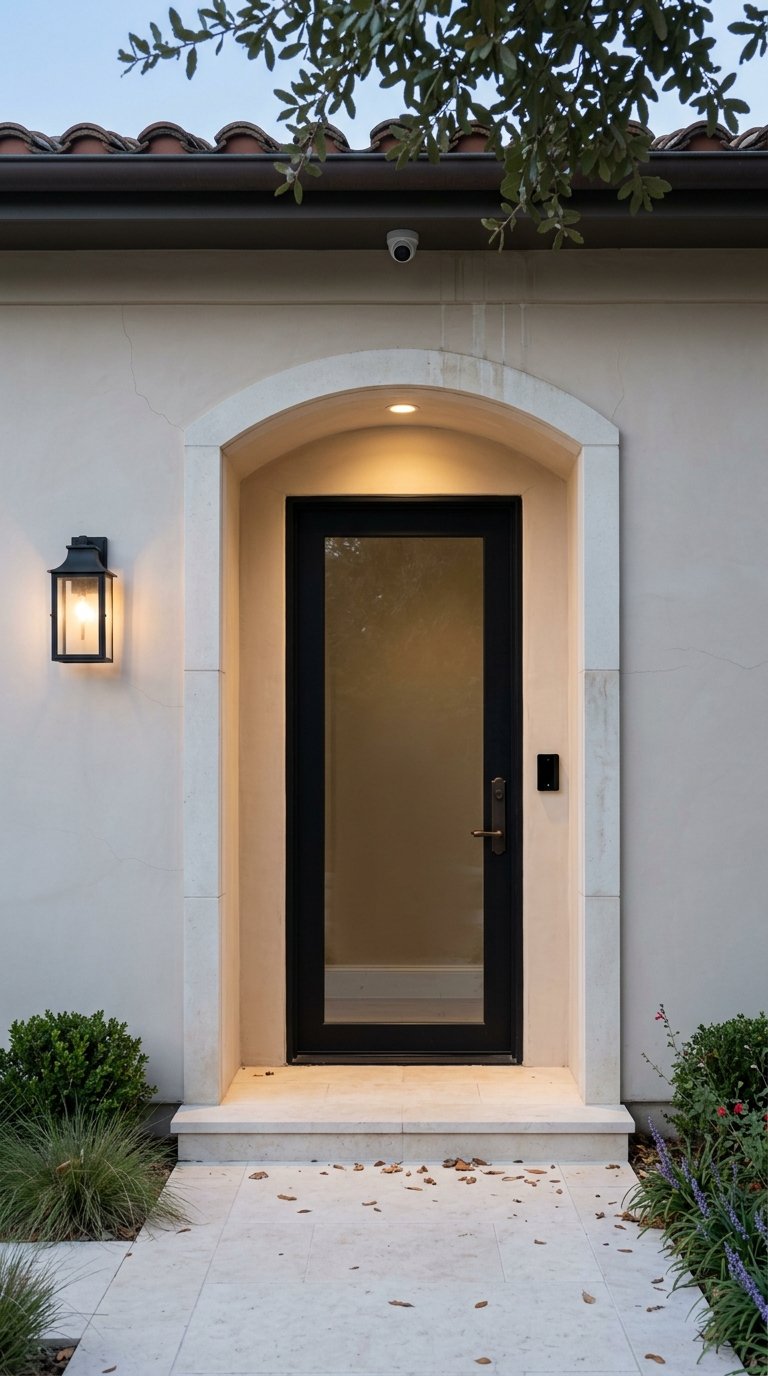
Expect a refined mix: classic Georgian or Colonial-inspired facades, Mediterranean and Spanish Revival influences, ranch and mid-century designs, plus contemporary luxury homes on select redeveloped lots. Exteriors often feature brick, stone or stucco. Interiors tend to blend preserved character with modern systems and floor plans.
Features buyers prioritize
For many buyers, the wish list includes:
- Pool and outdoor living areas with shade and privacy
- Guesthouses or carriage houses for visitors and multi-generational needs
- Mature trees and landscaped grounds
- Updated mechanicals and infrastructure within classic envelopes
Renovation and regulations
As an incorporated town, Westover Hills has its own zoning and building rules that shape renovation timelines, setbacks and approval pathways. If you plan to remodel, verify permit requirements early. Some properties may also hold historic elements worth preserving; thoughtful updates can balance heritage with function.
Schools and education options
Public school assignments
Most addresses in Westover Hills have historically aligned with Fort Worth ISD attendance zones. Assignments are address-specific and can change with boundary updates. Before you make decisions, confirm the elementary, middle and high school assignments for the exact home you’re considering using the district’s official lookup tools.
Private schools within a short drive
Westover Hills’ central-west location puts you within driving distance of a range of private options, including independent day schools and parochial programs. Families typically evaluate grade coverage, academic approach and commute time. Morning drive patterns vary, so test routes during school hours when possible.
Clubs, culture and convenience
Private clubs nearby
If club life matters, you’re well placed. Several of Fort Worth’s longstanding private clubs and golf courses are a short drive from Westover Hills, including Rivercrest, Ridglea and Colonial-area clubs. Membership policies, waitlists and amenities vary, so plan ahead if these are central to your lifestyle.
Culture, dining and hospitals
You are close to the Cultural District’s museums and performance venues, plus the West 7th and University-area dining corridors. Major medical centers are also within a convenient radius. Drive times depend on your exact address and time of day, but most daily needs are an easy hop by car.
Commuting and transit
The car is your primary mode here. Downtown Fort Worth, the Cultural District and TCU are generally short drives. Public transit options are more limited than in dense urban cores, so factor that into your routine if you prefer not to drive.
Market realities and strategy
Low inventory dynamics
Because Westover Hills is a small town with a limited number of parcels, turnover tends to be low. That scarcity can contribute to premium pricing, particularly for well-located properties with larger lots or recent renovations. Inventory at any given moment may include both preserved historic homes and new construction, and pricing often reflects condition, lot size and privacy features.
Taxes, utilities and services
As an incorporated municipality, the town sets its own ordinances and may levy town-level fees or taxes in addition to county and school taxes. Utility providers for water, sewer and sanitation can be municipal or contracted by address. Confirm current tax rates, provider details and service schedules before closing.
Buyer checklist
Use this concise due-diligence list to move quickly and confidently:
- Verify lot size, setbacks and any easements for your specific address.
- Check school assignments using official district tools and confirm transfer or program options if relevant.
- Review FEMA flood maps and obtain an elevation certificate if needed.
- Confirm town permitting requirements and timelines if you plan to renovate.
- Walk the property at different times of day to assess privacy, light and traffic flow.
- Evaluate utility providers, trash and recycling schedules, and any town-specific fees.
- Compare recent MLS sales for condition, lot size and street context rather than relying on automated estimates.
Seller playbook
To maximize results, focus on presentation and precision:
- Showcase privacy and scale with professional photography and drone imagery that capture tree canopy, setbacks and outdoor living.
- Pre-list inspections and selective updates can address mechanicals and highlight original craftsmanship.
- Position the home’s unique lot, orientation and architectural strengths in the first impression.
- Market to buyers who value discretion and proximity to Fort Worth’s amenities.
- Consider off-market previews and targeted outreach to qualified buyers before going live.
Is Westover Hills a fit for you?
If you’re drawn to estate living, mature landscaping and a quiet, residential rhythm near Fort Worth’s cultural core, Westover Hills delivers. You trade walkable retail for privacy and space, with quick access to museums, clubs and top employment hubs. The town’s small footprint means opportunities are limited, so having a strategic advisor with neighborhood depth and private-network access can make all the difference.
Ready to explore available and off-market options or discuss a discreet sale? Connect with Raleigh Green for a private consultation. Our team blends hyper-local insight with white-glove service, Sotheby’s-level marketing and trusted relationships across West Fort Worth. We are recognized for results and discretion and tailor every plan to your goals.
FAQs
Is Westover Hills part of Fort Worth or its own town?
- Westover Hills is an incorporated municipality within Tarrant County that operates its own local governance and ordinances separate from the City of Fort Worth.
What are typical lot and home sizes in Westover Hills?
- Lots are generally larger than the Fort Worth city average, with wide setbacks; home sizes vary from preserved mid-century residences to expansive new builds.
Which public schools serve Westover Hills addresses?
- Most addresses align with Fort Worth ISD, but assignments are address-specific and can change; verify your exact elementary, middle and high schools using the district’s official tools.
How long is the commute to downtown Fort Worth and TCU?
- Commutes are typically short by car, with timing influenced by your address and peak traffic; plan test drives during your usual travel windows.
Are there flood risks to consider in Westover Hills?
- Flood risk varies by parcel; review FEMA flood maps for the property, and consider an elevation certificate and insurance quotes during due diligence.
Are there HOAs or design controls in Westover Hills?
- There is no overarching HOA; the town’s municipal code governs zoning, setbacks and permitting, which can affect renovation and rebuild timelines.
How competitive is the market and how do I access off-market homes?
- Inventory is limited due to the town’s small size; pairing on-market searches with private-network access can help, and our team frequently sources off-market opportunities.