Trying to decide between Crestwood and in-town Fort Worth? Your answer may come down to one simple question: do you want more private outdoor space and a quieter residential feel, or do you want to be closer to walkable urban amenities and a more vertical lifestyle? If you are weighing Crestwood against Downtown Fort Worth or the Cultural District, understanding how each area lives day to day can help you choose with confidence. Here’s a clear look at how these in-town Fort Worth options compare. Let’s dive in.
Crestwood at a glance
Crestwood is a long-established residential neighborhood in Fort Worth. The neighborhood association describes it as quiet and diverse, and the City of Fort Worth notes that Crestwood Park is named for the neighborhood, which was annexed into Fort Worth in 1944.
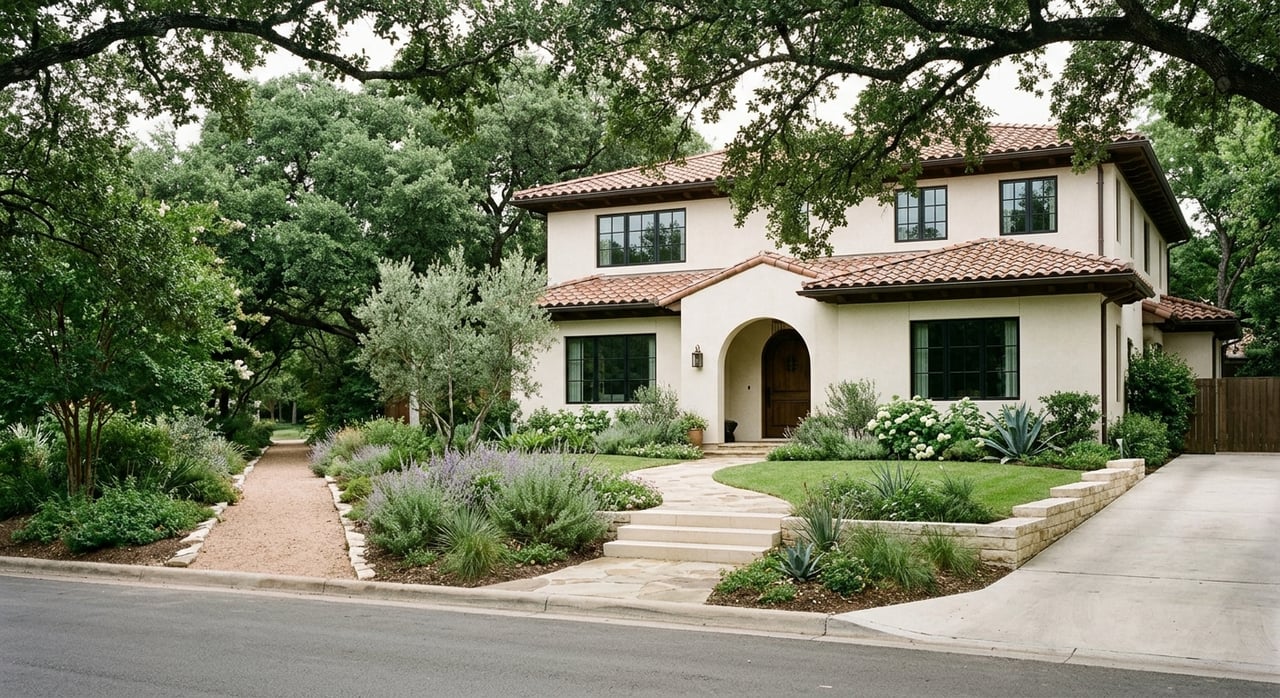
For many buyers, Crestwood stands out because it feels established and residential while still offering access to the core of the city. You get a neighborhood setting with mature trees, nearby park space, and a location that keeps Downtown and other in-town destinations within reach.
In-town Fort Worth at a glance
When people say “in-town Fort Worth,” they often mean places like Downtown Fort Worth and the Cultural District. These areas offer a different style of living from Crestwood, with a stronger emphasis on walkability, mixed-use surroundings, dining, entertainment, and lower-maintenance housing choices.
Downtown Fort Worth is the city’s urban core. The city describes it as a vibrant, walkable, mixed-use urban center, while Downtown Fort Worth Inc. highlights city living with high-rise apartments and historic lofts.
The Cultural District offers another in-town option with a strong arts and event focus. Arts Fort Worth notes that it sits a few miles west of downtown and is anchored by major destinations like the Kimbell, the Modern, the Amon Carter, Will Rogers, Dickies Arena, Casa Mañana, and Trinity Park.
Crestwood versus Downtown Fort Worth
Housing style and lot size
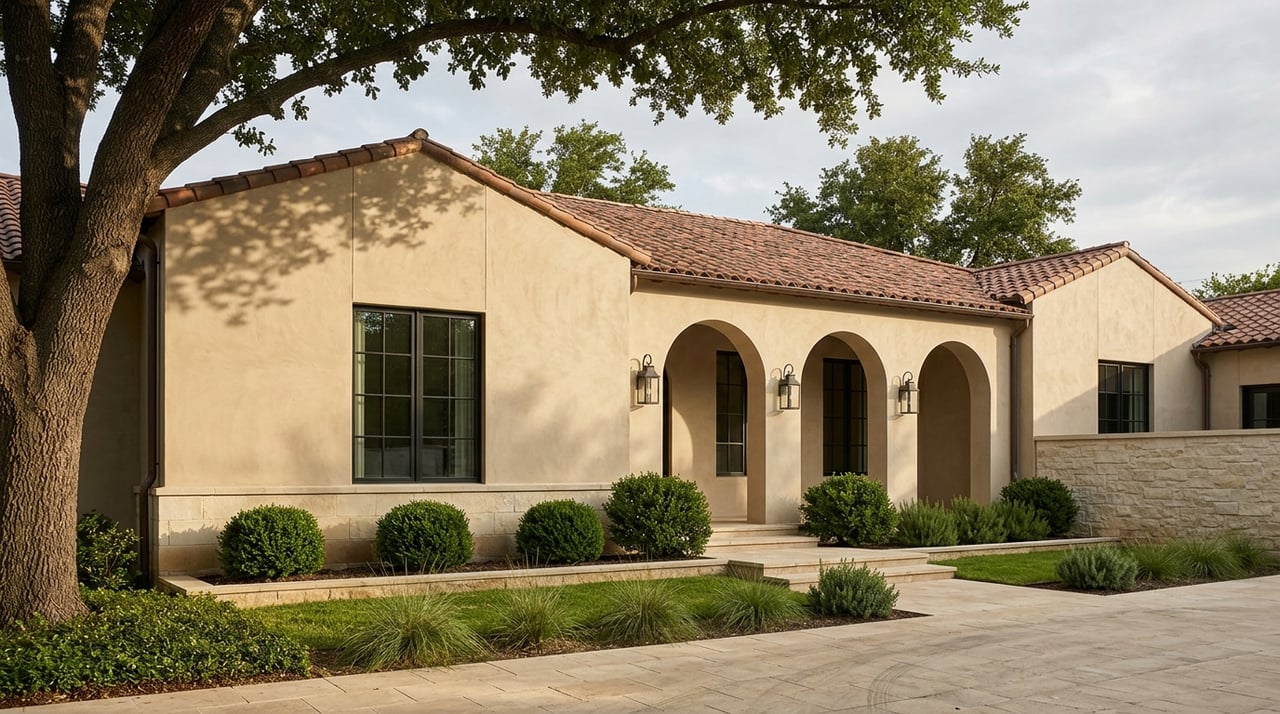
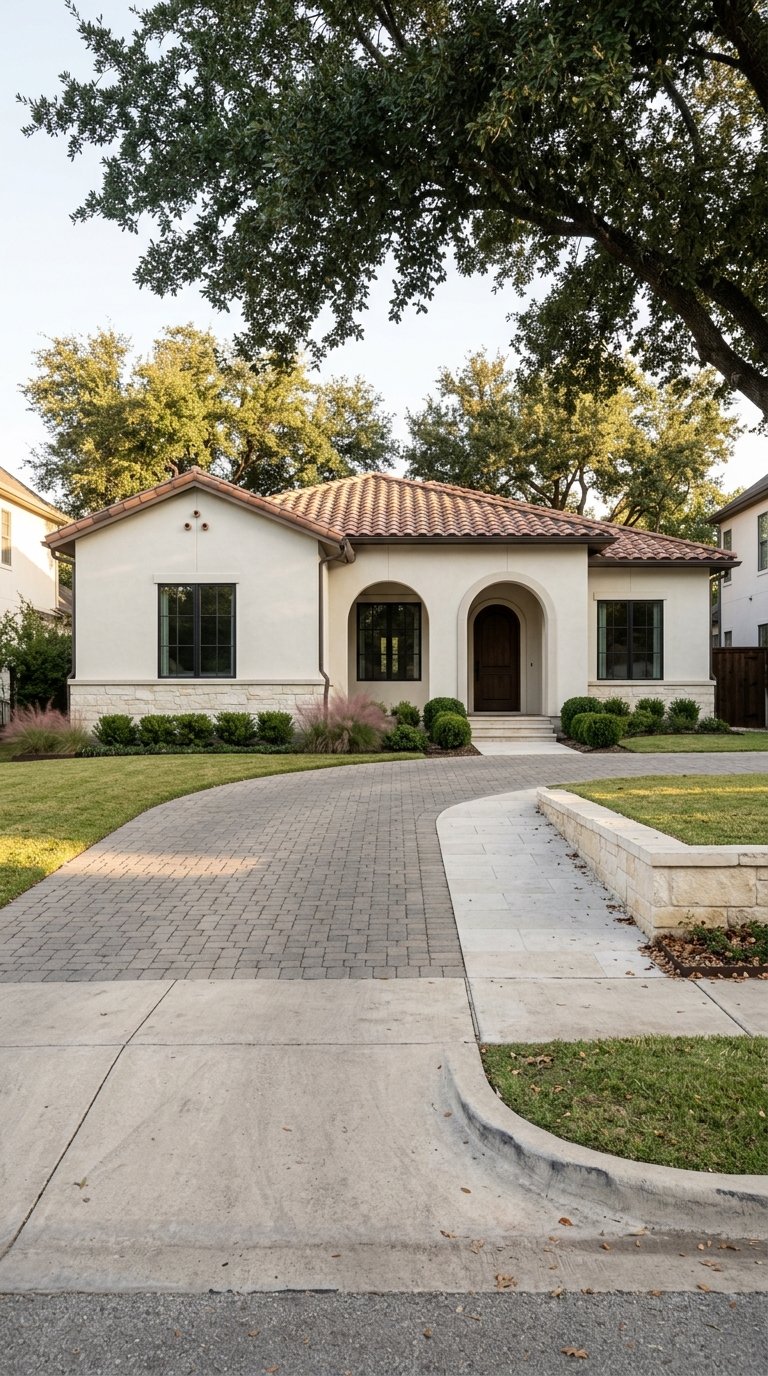
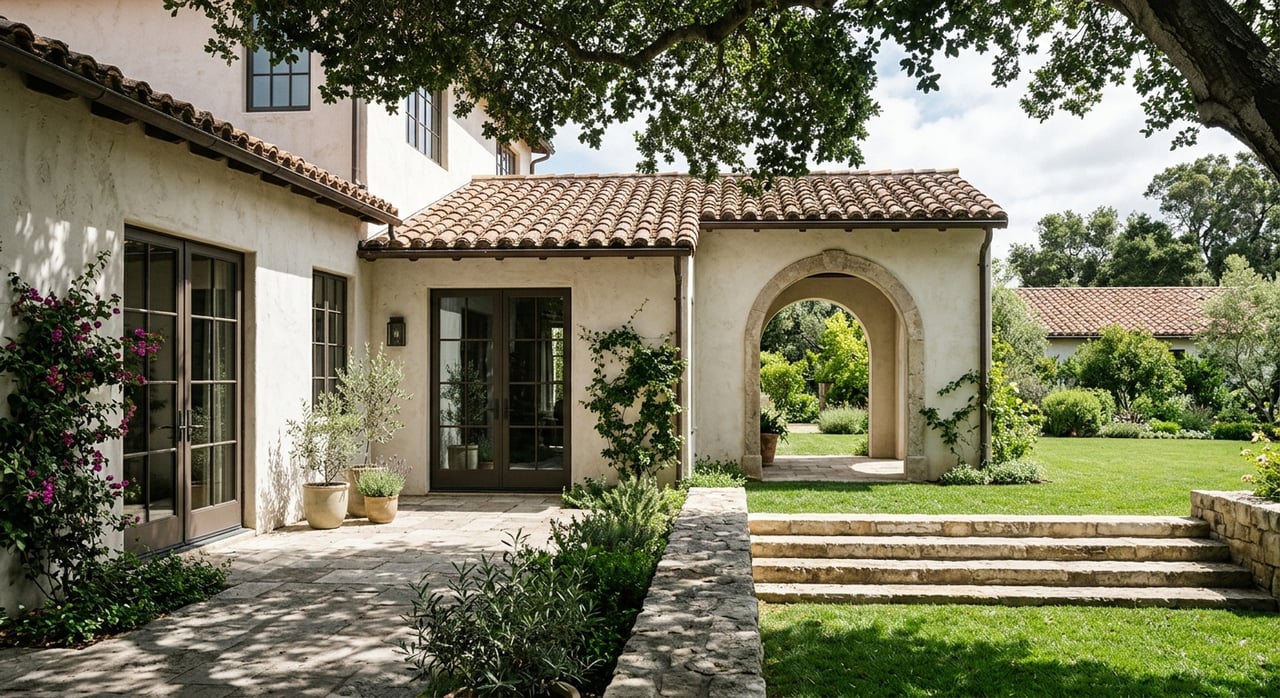
One of the clearest differences is housing form. In Crestwood, current listing snapshots show detached homes on substantial lots, including examples around 0.35 acres, 1.12 acres, and 1.25 acres. Listings also emphasize spacious backyards and mature-tree settings.
Downtown inventory is far more compact and vertical. Current neighborhood listings there feature condos and townhouses, with examples ranging from roughly 973 square feet to 3,666 square feet.
If private yard space matters to you, Crestwood usually offers more of it. If you prefer a lock-and-leave lifestyle or a residence with fewer exterior upkeep demands, Downtown may feel like the better fit.
Daily mobility and commute feel
Downtown has the most transit-rich setup of the three areas. Fort Worth Central Station serves as a hub for bus, rail, bikes, and cabs, and Trinity Metro says the free Blue Line circulator runs every 7 minutes.
Crestwood connects differently. It ties into the Trinity Trails network through a Class 3 trailhead at 3698 Rockwood Park Drive, and Crestwood Park includes trails and a bike rack. That points to a more car-and-bike-oriented routine rather than a rail-and-bus-centered one.
If you want transit options built into your daily routine, Downtown stands out. If you picture driving when needed and enjoying trail access close to home, Crestwood may align better with your lifestyle.
Pace of life
Crestwood tends to feel more residential and park-like. Downtown leans more urban, active, and entertainment-driven.
That difference matters in everyday life. In Crestwood, the appeal often centers on privacy, space, and neighborhood character. Downtown tends to attract buyers who want to be closer to dining, nightlife, and the energy of the city center.
Crestwood versus the Cultural District
A middle-ground option
If Downtown feels too urban but Crestwood feels a little too removed from the action, the Cultural District often lands in the middle. The research points to it as more residential than Downtown, while still being highly amenity-rich and event-oriented.
That balance is a big reason buyers consider it alongside Crestwood. You may find a stronger blend of neighborhood feel and easy access to museums, entertainment venues, and major park space.
Home options and setting
The Cultural District offers a mix of housing forms. Current listings include condo-style residences on West 7th as well as detached homes on corner lots or private cul-de-sacs near Camp Bowie and Dickies Arena.
Compared with Crestwood, the Cultural District may offer more variety in housing format within a smaller geographic area. Crestwood, by contrast, is more consistently defined by detached homes and a traditional neighborhood setting.
Parks and outdoor access
Outdoor space looks different in each area. Crestwood Park is a 2-acre neighborhood park open from dawn to dusk, while Trinity Park in the Cultural District spans 252 acres and connects to more than 100 miles of paved trails.
That means Crestwood may give you more private outdoor space at home, while the Cultural District offers access to one of Fort Worth’s most significant shared green spaces. Your choice may come down to whether you want a bigger yard, larger destination parks, or a mix of both.
How green space compares
Green space is one of the most practical ways to think about this decision. In Crestwood, more of the appeal may come from what you have on your own property plus nearby neighborhood park access.
In Downtown and parts of the Cultural District, green space is often more shared than private. Downtown includes spaces like 3-acre Burnett Park, and the city’s downtown parks resources emphasize riverfront trails, open-air plazas, and active recreation areas.
If you love stepping out into your own backyard, Crestwood has a strong advantage. If you are happy to trade private outdoor space for nearby public parks, trails, and urban amenities, in-town options may serve you well.
Which lifestyle fits you best
Crestwood may fit best if you want
- A quieter, established residential setting
- Larger lots and more separation from neighbors
- Detached homes with mature-tree surroundings
- Easy access to trails and park space
- Proximity to Downtown without living in the urban core
Downtown may fit best if you want
- A walkable urban environment
- Transit access centered around Fort Worth Central Station
- Condo, townhouse, loft, or high-rise living
- Close access to dining, nightlife, and downtown activity
- Lower-maintenance housing options
The Cultural District may fit best if you want
- A middle ground between neighborhood feel and city amenities
- Access to museums, events, and major Fort Worth destinations
- A mix of condo-style and detached home options
- Close proximity to Trinity Park and paved trails
- More residential character than Downtown with strong amenity access
What this means for your home search
The best choice is not about which neighborhood is better overall. It is about which one matches how you want to live.
If your priority is space, privacy, and a classic established neighborhood feel, Crestwood has a compelling case. If you are drawn to urban energy, transit convenience, and lower-maintenance living, Downtown may be the better match. If you want a blend of residential comfort and cultural access, the Cultural District often offers that middle path.
For many buyers in Fort Worth, this decision becomes clearer when you compare not just map locations, but daily routines. How you commute, how much outdoor space you want, and how close you want to be to dining, events, and trails can quickly point you in the right direction.
If you are exploring Crestwood or comparing it with other in-town Fort Worth options, a tailored, neighborhood-specific strategy can make the process more efficient and far more informed. For discreet guidance and a more personalized search, connect with Raleigh Green.
FAQs
What makes Crestwood different from Downtown Fort Worth?
- Crestwood is generally more residential, with detached homes, larger lots, and a quieter neighborhood feel, while Downtown Fort Worth is more urban, walkable, transit-rich, and centered on condos, townhouses, lofts, and high-rise living.
How does Crestwood compare with the Cultural District in Fort Worth?
- Crestwood usually offers a more traditional neighborhood setting with larger private lots, while the Cultural District often provides a middle ground with a mix of housing types and close access to museums, events, and Trinity Park.
Is Crestwood a good choice for buyers who want outdoor space in Fort Worth?
- Crestwood may appeal to buyers who want more private outdoor space because current listings show detached homes on substantial lots, and the neighborhood also offers access to Crestwood Park and the Trinity Trails network.
What kind of transportation access does Downtown Fort Worth offer?
- Downtown Fort Worth offers the strongest transit setup among these areas, with Fort Worth Central Station serving bus, rail, bikes, and cabs, plus the free Blue Line circulator running every 7 minutes.
Which Fort Worth area offers the most park access: Crestwood, Downtown, or the Cultural District?
- The Cultural District stands out for large-scale shared green space because Trinity Park covers 252 acres and connects to more than 100 miles of paved trails, while Crestwood offers neighborhood park access and Downtown features smaller parks and riverfront public spaces.